
DUI Insurance for High-Risk Drivers — Utah
Free to compare
Why Your Carrier Dropped You Before Reinstatement
You received the DUI conviction notice from Utah courts. Three weeks later, a letter from your carrier arrived canceling your policy effective 30 days from conviction date. You have not tried to file a claim. You have not missed a payment. The carrier dropped you because Utah Code § 41-6a-502 triggered an automatic underwriting flag at 0.05% BAC — the lowest DUI threshold in the nation — and your risk profile moved outside their acceptable tier before you even thought about reinstatement.
This is not a billing problem or a coverage lapse. Utah DUI convictions trigger carrier non-renewal automatically in most standard-tier underwriting systems. The conviction itself, not your driving behavior after it, moved you into a risk category your current carrier does not write. Finding coverage now means understanding which carriers in Utah actively write post-DUI policies with SR-22 filing, what non-standard tier pricing reflects, and how ignition interlock device requirements complicate carrier selection before you can legally drive again.
“Utah's 0.05% BAC threshold produces more DUI convictions relative to arrests than any other state, and most carriers drop drivers before reinstatement even begins.”

Compare Utah Rates for Drivers With a DUI
Get My Utah DUI Insurance Quote0.05%
Utah DUI BAC Threshold
Utah Code § 41-6a-502 sets the DUI threshold at 0.05% blood alcohol concentration, effective December 30, 2018. This is the lowest threshold in the United States and produces a higher volume of DUI convictions relative to arrests than any other state.
Utah Code Ann. § 41-6a-502
What Non-Standard Tier Actually Means After DUI
Non-standard tier is not a penalty surcharge added to your old premium. It is a separate underwriting classification with its own base rate structure, risk pool, and carrier set. Standard-tier carriers like State Farm, Allstate, and USAA evaluate risk using clean-record actuarial tables. Non-standard carriers like The General, Bristol West, Dairyland, and GAINSCO use post-violation tables where DUI conviction history is the baseline assumption, not the exception.
Your premium in non-standard tier reflects the statistical claim frequency and severity of drivers with DUI convictions in Utah, adjusted for your age, county, vehicle, and coverage limits. It is not your old rate plus a flat percentage increase. The math starts over. Most Utah drivers moving from standard to non-standard tier see monthly premiums between $180 and $320 for state-minimum liability plus SR-22, but actual quotes vary by carrier, county, and whether ignition interlock is required.
The pricing difference between standard and non-standard tier exists because claim rates differ. Drivers with DUI convictions statistically file more claims per policy year than clean-record drivers. Non-standard carriers price this risk explicitly. Standard carriers avoid it by declining to write the business at all.
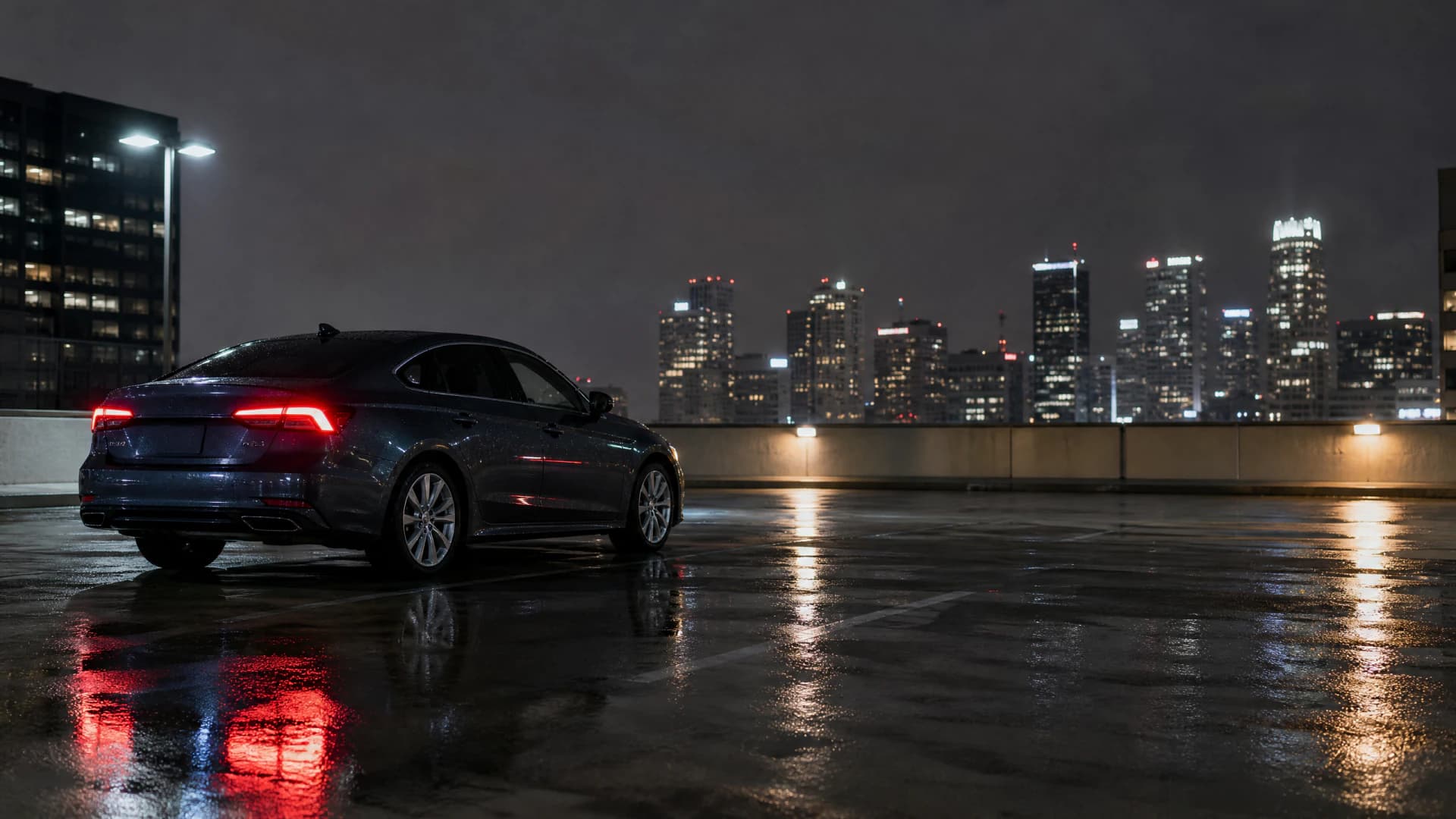
Utah requires SR-22 filing for 3 years post-DUI, and ignition interlock installation is mandatory for reinstatement. Not all carriers writing SR-22 write policies with IID requirements — carrier selection depends on both.



How Ignition Interlock Requirements Change Carrier Options
Utah Driver License Division requires ignition interlock device installation for DUI-related revocations before full license restoration. The IID requirement is separate from SR-22 filing. You must maintain both: an active SR-22 certificate proving financial responsibility, and an active IID monitoring account proving device compliance. Not all carriers willing to write SR-22 will write policies for vehicles with IID installed.
Carriers that decline IID-equipped policies cite underwriting restrictions on modified vehicles or monitoring-device liability concerns. Geico, Progressive, The General, and Dairyland explicitly write policies with IID requirements in Utah. State Farm and USAA handle IID cases inconsistently depending on underwriting region and agent discretion. Bristol West and GAINSCO write IID policies but require broker placement to confirm device monitoring account status before binding coverage.
If you are applying for a Limited License (Utah's hardship license program) during suspension, ignition interlock is required as a condition of the court-issued Limited License order. Your carrier must confirm IID installation before issuing SR-22. The court will not approve the Limited License without proof of both SR-22 filing and IID compliance. Sequencing matters: install the device, bind the policy with a carrier that writes IID-equipped vehicles, obtain SR-22 filing confirmation, then petition the court for Limited License with both proofs attached.
3 years
Utah SR-22 Filing Period Post-DUI
Utah statute requires SR-22 financial responsibility filing for 3 years following DUI conviction. The period begins on the date the SR-22 is filed with Utah Driver License Division, not the conviction date. Any lapse in coverage during the 3-year period restarts the clock from zero.
Utah DLD SR-22 requirements
Non-Owner SR-22 When You Do Not Own a Vehicle
If you do not currently own a vehicle but need SR-22 to satisfy Utah reinstatement requirements, a non-owner SR-22 policy provides the required proof of financial responsibility without insuring a specific vehicle. Non-owner policies cover liability when you drive a borrowed or rental vehicle. They do not cover collision or comprehensive damage to the vehicle itself. Monthly premiums for non-owner SR-22 in Utah typically range from $45 to $85 depending on carrier, county, and your DUI offense count.
Geico, Progressive, The General, Dairyland, and USAA write non-owner SR-22 policies in Utah. Non-owner policies do not require ignition interlock installation because no vehicle is insured under the policy. If you later purchase a vehicle during the 3-year SR-22 period, you must convert the non-owner policy to a standard auto policy insuring the owned vehicle, and the SR-22 filing transfers to the new policy without restarting the 3-year period as long as coverage remains continuous.
What Happens If You Let SR-22 Lapse During the Filing Period
Utah carriers are required to notify Utah Driver License Division electronically when an SR-22 policy cancels or lapses for non-payment. The notification is automatic and occurs within 24 hours of the lapse. Utah DLD immediately suspends your driving privilege upon receiving the lapse notification. There is no grace period. The 3-year SR-22 filing period restarts from zero once you file a new SR-22 with a new carrier.
Reinstatement after an SR-22 lapse requires paying a new reinstatement fee, obtaining a new SR-22 filing from a carrier willing to write post-lapse business, and waiting for DLD processing before driving privilege is restored. The $30 base reinstatement fee applies, plus any additional fees tied to the original DUI revocation that were not fully satisfied before the lapse. Most drivers who lapse SR-22 during the filing period face total reinstatement costs exceeding $400 when all fees, new carrier deposits, and processing are included.
Avoiding lapse means treating the SR-22 policy premium as non-negotiable during the 3-year period. Set up autopay. Confirm payment clears each month. If you need to switch carriers during the filing period, bind the new policy and confirm the new SR-22 is filed with DLD before canceling the old policy. A gap of even one day between policies triggers the lapse notification and restarts the clock.
Compare Carriers Writing Your Situation Right Now
You need a carrier that writes SR-22 in Utah, accepts post-DUI drivers in non-standard tier, and will bind a policy with ignition interlock requirements if your reinstatement or Limited License requires it. The carrier set that meets all three conditions is smaller than the carrier set that writes standard auto insurance in Utah. Start with Geico, Progressive, The General, and Dairyland for online quotes. If those decline or quote above your budget, work with a broker who places Bristol West or GAINSCO business to access non-standard tier options not available through direct-to-consumer channels. Compare monthly premium, SR-22 filing fee, deposit requirements, and payment plan terms before binding. The cheapest monthly rate is not always the lowest total cost when deposit and filing fees differ by $100 or more between carriers.
Which Utah Carriers Write Post-DUI SR-22 Policies
Geico, Progressive, State Farm, and USAA write SR-22 policies in Utah and support online quoting. Geico and Progressive write non-owner SR-22 policies for drivers without a vehicle. State Farm and USAA typically require vehicle ownership. All four will write policies with ignition interlock requirements, but pricing and underwriting approval vary by county and DUI offense count. Geico and Progressive operate in non-standard tier for post-DUI business; State Farm and USAA may decline depending on your specific conviction details and driving history beyond the DUI.
The General, Bristol West, Dairyland, and GAINSCO specialize in non-standard tier and write SR-22 policies explicitly for post-DUI drivers. The General and Dairyland offer non-owner SR-22 policies. Bristol West and GAINSCO require broker placement in most cases. All four write policies with ignition interlock requirements as part of their core business model. Pricing is transparent and reflects post-DUI risk pools. These carriers do not decline based on DUI conviction alone — approval depends on payment method, coverage limits, and county-specific underwriting rules.
Get Your Free Quote
Get My Utah DUI Insurance QuoteFrequently Asked Questions
Do I need SR-22 insurance after a DUI in Utah?
Yes. Utah requires SR-22 financial responsibility filing for 3 years following a DUI conviction. The SR-22 is filed by your insurance carrier and proves you maintain at least state-minimum liability coverage. You cannot reinstate your license or obtain a Limited License without active SR-22 on file with Utah Driver License Division.
Which insurance companies in Utah will insure me after a DUI?
Geico, Progressive, State Farm, USAA, The General, Bristol West, Dairyland, and GAINSCO write SR-22 policies for post-DUI drivers in Utah. Geico, Progressive, The General, and Dairyland explicitly write policies with ignition interlock requirements. State Farm and USAA may decline depending on your specific DUI details and county.
How much does SR-22 insurance cost in Utah after a DUI?
Monthly premiums for post-DUI SR-22 policies in Utah typically range from $180 to $320 for state-minimum liability coverage, depending on carrier, county, age, and whether ignition interlock is required. Non-owner SR-22 policies for drivers without a vehicle typically cost $45 to $85 per month. Actual quotes vary by driving history and coverage selections.
Can I get a Limited License in Utah after a DUI?
Yes. Utah's Limited License program allows court-approved restricted driving during suspension for essential purposes such as work, school, medical appointments, and court-ordered programs. You must petition the court, provide proof of need, install an ignition interlock device, and obtain SR-22 insurance before the court will issue the Limited License order. Eligibility depends on your specific DUI details and offense history.
What happens if my SR-22 insurance lapses in Utah?
Your carrier notifies Utah Driver License Division electronically within 24 hours of the lapse. Utah DLD immediately suspends your driving privilege. The 3-year SR-22 filing period restarts from zero once you file a new SR-22. You must pay a reinstatement fee and wait for DLD processing before driving privilege is restored.
Do I need ignition interlock to reinstate my license after a DUI in Utah?
Yes. Utah requires ignition interlock device installation for DUI-related revocations as a condition of reinstatement. The IID requirement is separate from SR-22 filing. You must maintain both an active SR-22 certificate and an active IID monitoring account. If you apply for a Limited License, ignition interlock is required before the court will approve restricted driving.
Can I get non-owner SR-22 insurance in Utah if I do not own a car?
Yes. Non-owner SR-22 policies provide the required proof of financial responsibility without insuring a specific vehicle. Geico, Progressive, The General, Dairyland, and USAA write non-owner SR-22 policies in Utah. Monthly premiums typically range from $45 to $85. Non-owner policies do not require ignition interlock installation because no vehicle is insured.