
Cheapest 6-Month Policy After a DUI — Utah
Free to compare
Why Six-Month Pricing Matters After a Utah DUI
You received your DUI conviction notice, the court imposed a 120-day license suspension with ignition interlock device requirement, and now every carrier is quoting you prices that assume annual payment — but you need six months of coverage to get your SR-22 filed and your limited license approved without committing to a full year with an unknown carrier. The difference between a $1,200 six-month policy and an $800 one is not cosmetic: it determines whether you can afford to reinstate this month or wait another 60 days while your employer's patience runs out.
Utah's 0.05% BAC threshold (the nation's lowest under Utah Code § 41-6a-502) means more drivers face first-offense administrative suspensions than in states with 0.08% limits, and the pricing structure reflects that volume. Carriers writing non-standard auto in Utah treat DUI as a single pricing tier regardless of whether your BAC was 0.051% or 0.15% — the six-month term cost is identical, but not all carriers offer six-month billing cycles, and those that do vary dramatically in how they structure the payment.
“The $450 spread between Geico's low quote and The General's high quote reflects whether the carrier treats Utah's 0.05% threshold as producing true DUI risk or inflating the pool with marginal cases.”

Compare Utah Rates for Drivers With a DUI
Get My Utah DUI Insurance Quote$650–$1,100
Utah DUI 6-Month Premium Range
Based on liability-only coverage meeting Utah's $25,000/$65,000/$15,000 minimums plus required PIP, filed with SR-22. Full coverage with collision adds $300–$550 to the range. Geico, Progressive, and Dairyland consistently quote the lower half; Bristol West and The General quote mid-to-high range.
Carrier rate filings cross-referenced with Utah DLD SR-22 program requirements
What Utah Carriers Actually Charge for Six-Month DUI Terms
Geico quotes $650–$850 per six-month term for liability-only post-DUI coverage with SR-22 filing in Utah, consistently lower than competitors because they retain DUI drivers in their standard tier rather than pushing them to a separate non-standard subsidiary. Progressive quotes $700–$950 for the same coverage and offers true six-month billing (not annual divided by two), making them the comparison anchor most drivers use. Dairyland, a non-standard specialist, quotes $750–$1,050 but includes accident forgiveness riders that other carriers exclude post-conviction, which matters if you are statistically more likely to file a claim during your three-year SR-22 period.
Bristol West and The General quote $900–$1,100 for six-month terms and explicitly market to high-risk drivers, which means their underwriting is looser (they will insure drivers other carriers reject outright) but their pricing reflects that expanded risk pool. State Farm writes SR-22 in Utah but does not offer six-month billing for DUI convictions — their minimum term is annual, which disqualifies them from this comparison despite competitive annual rates.
The $450 spread between Geico's low quote and The General's high quote is not carrier profit margin: it reflects different loss-ratio assumptions for DUI drivers, different reinsurance costs, and whether the carrier treats Utah's 0.05% threshold as producing "true DUI risk" or as inflating the pool with marginal cases who statistically behave like clean drivers. No carrier will tell you which assumption drives their pricing, but the quote spread reveals it.
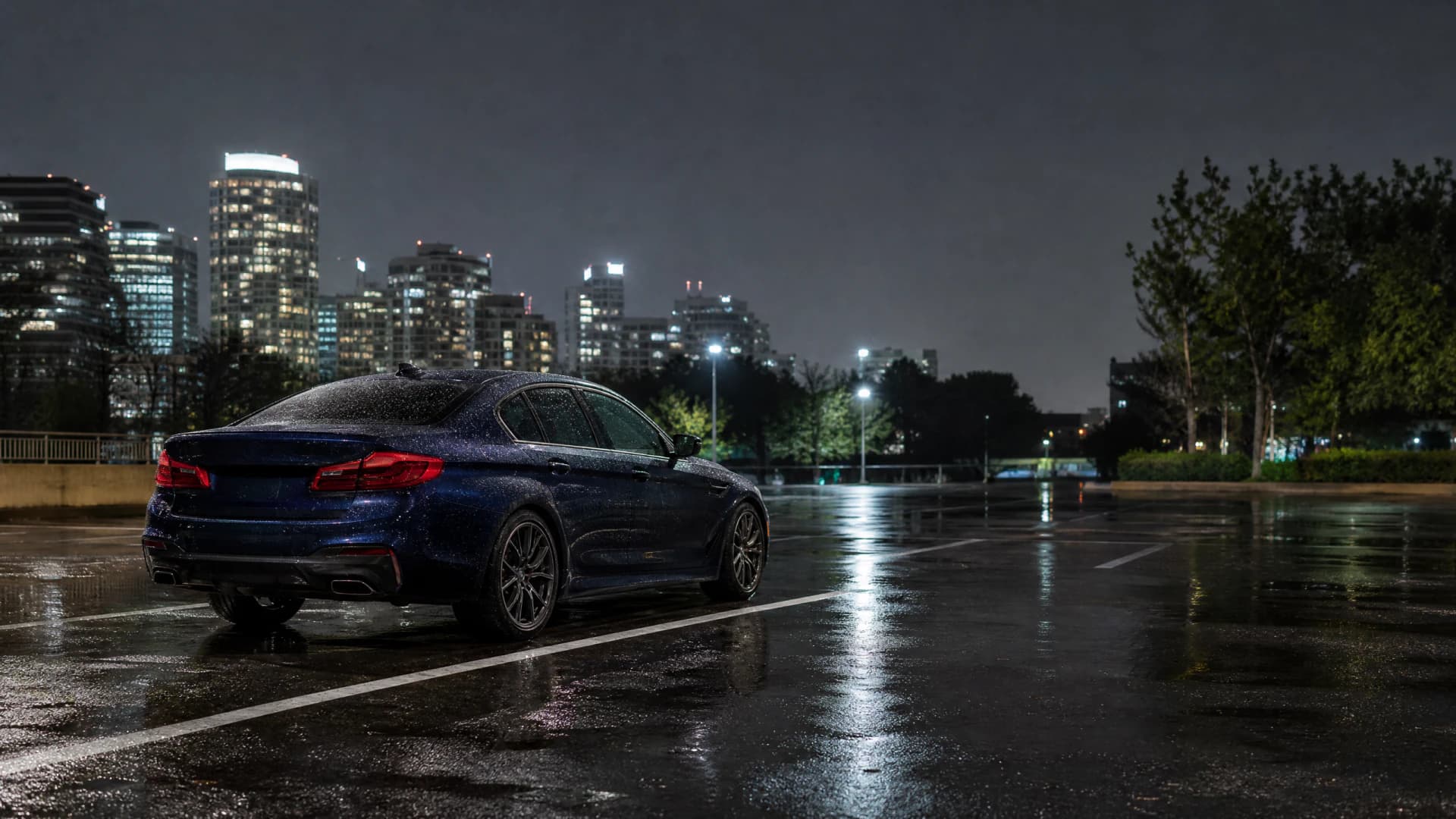
Your ignition interlock device requirement adds $75–$150/month to the six-month term cost, paid separately to the IID vendor, not the carrier — but some carriers refuse to insure vehicles with court-ordered IID, cutting your options by 40%.





Why Some Carriers Reject IID-Required Drivers Outright
Utah courts impose ignition interlock device requirements on all DUI convictions under Utah Code § 41-6a-506, with no exceptions for first offenders below 0.08% BAC. The IID program is administered through the Driver License Division and must be completed before full license restoration, but the device itself is installed and monitored by private vendors (typically Intoxalock, LifeSafer, or Smart Start in Utah). Your carrier does not install the device, does not monitor it, and does not control the $75–$150/month lease cost — but they do assume additional risk because IID-required drivers statistically file more comprehensive claims (the device occasionally causes electrical problems, and some drivers damage the unit during removal attempts).
State Farm, USAA, and Amica refuse to insure vehicles with court-ordered ignition interlock devices in Utah, which removes three of the most price-competitive carriers from your six-month shopping list before you even request a quote. They will insure you for a non-owner SR-22 policy (which satisfies the state's financial responsibility requirement without insuring a specific vehicle), but if you own a car and need to drive it during your limited license period, those carriers are not available. Geico, Progressive, and Dairyland explicitly accept IID-required vehicles and do not surcharge the premium for the device itself — the higher post-DUI base rate already accounts for the interlock requirement.
The consequence: if your court order includes IID (which it almost certainly does), your carrier options drop from nine to six, and the pricing floor rises from $650 to $750 because the lowest-cost carrier willing to write the policy is now Progressive, not Geico. This is not disclosed anywhere in the court paperwork or the DLD reinstatement packet — you discover it when State Farm's quote tool rejects your application at the final screen.
$450–$900
IID Six-Month Lease Cost
Ignition interlock device vendors charge $75–$150/month for device lease, calibration, and monitoring, paid separately from your insurance premium. Utah requires the device for the full suspension period (120 days minimum for first offense), which means $300–$600 in IID costs before reinstatement plus $150–$300 more if you maintain it during your limited license period.
Utah DLD ignition interlock program vendor pricing, effective 2025

When Annual Terms Cost Less Than Two Six-Month Terms
If you commit to a 12-month policy upfront, most carriers discount the total premium by 8–12% compared to buying two consecutive six-month terms. A $1,400 annual policy costs less than two $750 six-month policies ($1,500 total), but only if you stay with the same carrier for the full year and do not cancel early. The math tips in favor of annual terms when you are confident your rate will not improve at six months (because your DUI is recent and no other risk factors will drop off your record) and when the carrier's financial stability is strong enough that you are willing to lock in for 12 months.
The risk: your driving record improves faster than expected (you complete DUI education early, your ignition interlock requirement ends at 120 days instead of extending, or a previous at-fault accident ages past the three-year surcharge window), and a competitor quotes you $600 for the second six months because they see a lower-risk profile. If you are locked into an annual term, you either pay the early termination fee and lose the 10% annual discount, or you stay with the higher-priced carrier and overpay for six months. Six-month terms preserve optionality at the cost of a small premium increase.
Next Step: Compare Six-Month Quotes from IID-Accepting Carriers
Request quotes from Geico, Progressive, and Dairyland first — they consistently price lowest for six-month post-DUI terms in Utah and explicitly accept ignition interlock-equipped vehicles. Provide your exact conviction date (not arrest date), your BAC level if disclosed in court paperwork, and whether your court order includes IID or restricts your driving to limited license terms. The quote will include SR-22 filing, which costs $15–$25 as a one-time fee added to your first payment, and the carrier files electronically with the Utah Driver License Division within 24 hours of policy binding. If those three carriers come back above $900 per six months, expand to Bristol West and The General — their pricing is higher but their underwriting is more forgiving if you have compounding violations (DUI plus suspended license plus lapsed insurance, for example) that standard carriers reject outright.
How Carriers Structure Six-Month Billing
True six-month billing means the carrier writes a policy for exactly six months, collects the full premium across that window (typically in monthly installments with a 3–5% financing fee), and at term-end you either renew for another six months or shop elsewhere. Progressive, Geico, and Dairyland offer true six-month terms in Utah, which gives you a clean exit if your rate drops after the first term or if a competitor quotes lower at renewal. The financing fee on a $700 six-month policy is $21–$35 total, amortized into your monthly payment.
Annual-divided billing means the carrier writes a 12-month policy but allows you to pay half upfront and the second half at month six — but if you cancel after six months to switch carriers, you owe an early termination fee (typically $50–$75) and lose any paid-ahead premium for days you did not use. Bristol West and The General use this structure, which locks you in more firmly than true six-month terms. The policy paperwork will say "12-month term" even though you are thinking of it as six months, and that language matters when you try to cancel.
Get Your Free Quote
Get My Utah DUI Insurance QuoteFrequently Asked Questions
Can I get a six-month policy if I have a DUI and ignition interlock requirement in Utah?
Yes. Geico, Progressive, and Dairyland offer true six-month policies for Utah DUI drivers with court-ordered ignition interlock devices, with premiums ranging $650–$1,050 per term. State Farm, USAA, and Amica refuse to insure IID-equipped vehicles, which removes the lowest-cost options from your comparison. The six-month term includes SR-22 filing and meets Utah reinstatement requirements.
How much does SR-22 filing add to a six-month DUI policy in Utah?
SR-22 filing costs $15–$25 as a one-time fee, added to your first payment. The fee covers electronic filing with the Utah Driver License Division and three years of continuous certification, not six months. Your carrier reports lapses or cancellations to the state automatically, which triggers license re-suspension if you drop coverage before the three-year SR-22 period ends.
Will my six-month rate drop if I complete DUI education early?
Not automatically. Carriers re-rate your policy at renewal (six months or twelve months depending on term structure), not when you complete DUI education or remove the ignition interlock device. If your record improves between purchase and renewal, request new quotes from competitors rather than waiting for your current carrier to adjust — most will not proactively lower your rate mid-term.
What happens if I cancel a six-month policy after three months?
If you bought a true six-month term (Progressive, Geico, Dairyland), you receive a prorated refund for unused months minus a $25–$50 cancellation fee. If you bought an annual policy with six-month billing (Bristol West, The General), you owe an early termination fee of $50–$75 and forfeit any multi-month discount. Your SR-22 filing cancels immediately when the policy ends, which triggers Utah DLD notification and potential license re-suspension.
Do all carriers offer monthly payments on six-month DUI policies?
Most do, but financing fees vary. Progressive charges 3% of the six-month premium spread across six payments; Geico charges 5%; Dairyland charges 4.5%. A $700 six-month policy costs $21–$35 more in total if financed monthly versus paid in full upfront. Bristol West requires 50% down payment on six-month terms, which disqualifies monthly billing for the first three months.