
Cheapest Insurance After DUI — Utah
Free to compare
Why Utah DUI Insurance Costs More Than You Expect
You got arrested for DUI in Utah — maybe at 0.05% BAC, maybe higher — and the Driver License Division suspended your license for 120 days on a first offense. Now you're trying to price insurance so you can petition the court for a Limited License or prepare for eventual reinstatement. Every carrier quote you pulled came back at $180 to $320 per month, three to five times what you paid before the arrest.
The cost spike isn't arbitrary. Utah classifies you as high-risk after a DUI conviction, and carriers price that risk into premiums. But the quote you're seeing assumes you own a vehicle and need full liability plus SR-22 filing. If you don't currently own a car — or if you sold it after the suspension — you're looking at the wrong product entirely. Non-owner SR-22 policies cost half what standard policies do, and most suspended drivers in Utah qualify.
“Non-owner SR-22 costs half what standard policies do when you don't own a car — yet most suspended drivers in Utah never hear about it.”

Compare Utah Rates for Drivers With a DUI
Get My Utah DUI Insurance Quote$45–$85/mo
Utah Non-Owner SR-22 Premium
Non-owner SR-22 policies meet Utah's financial responsibility requirement without insuring a specific vehicle. Standard SR-22 policies covering a car you own run $180–$320/mo for the same driver profile. If you don't own a vehicle, non-owner is the correct product and costs roughly half.
Utah carrier rate filings, 2025
What SR-22 Filing Actually Means in Utah
SR-22 is not insurance. It's a certificate your insurance carrier files electronically with the Utah Driver License Division proving you carry at least the state's minimum liability coverage: $25,000 per person for bodily injury, $65,000 per accident, and $15,000 for property damage. Utah also requires Personal Injury Protection coverage of at least $3,000 as a no-fault state, so your SR-22 policy must include PIP as well.
The DLD requires SR-22 filing for three years after a DUI conviction, measured from the conviction date, not the filing date. If your SR-22 lapses at any point during those three years — because you missed a payment, switched carriers without filing a new certificate, or let the policy cancel — the DLD suspends your license again immediately. The clock does not pause. You restart the three-year requirement from the new filing date.
Because Utah's administrative per se law triggers a separate DLD suspension at arrest if your BAC tested 0.05% or higher, you face two tracks: the administrative suspension (which starts immediately and runs 120 days on a first offense) and the criminal court case. The SR-22 requirement attaches to the criminal conviction, not the administrative suspension. You can petition for a Limited License during the administrative suspension period if you meet court-defined eligibility, but you need SR-22 coverage in place before the court will grant the petition.
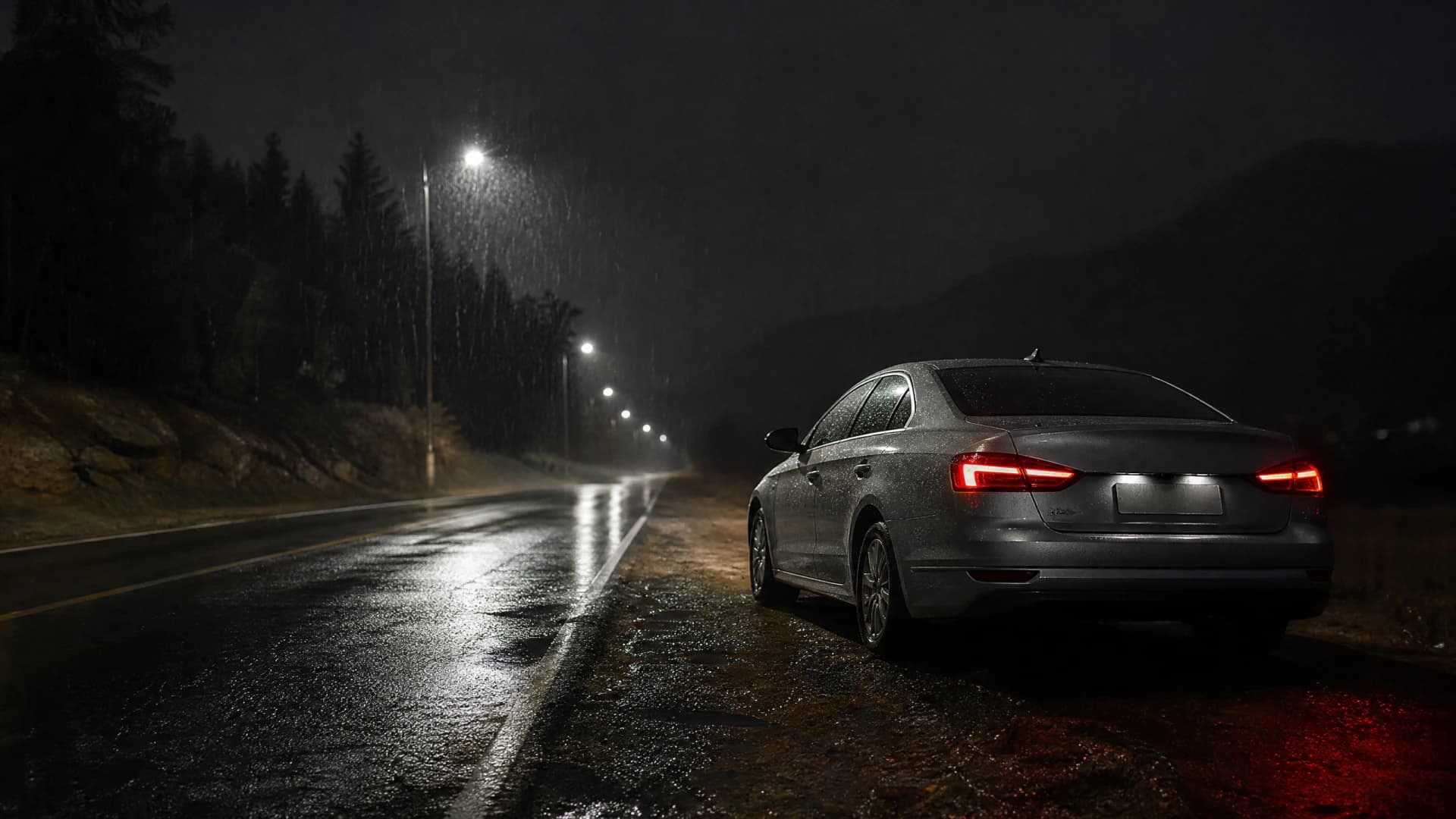
If you don't own a vehicle right now, quoting standard auto policies wastes money. Non-owner SR-22 meets the DLD requirement at half the cost.
Which Carriers Write SR-22 in Utah
Not every carrier writes SR-22 policies, and not every carrier writing SR-22 will accept a DUI driver. Carriers operating in Utah and confirmed to file SR-22 certificates include Geico, Progressive, State Farm, The General, Dairyland, Bristol West, GAINSCO, National General, and USAA (military-eligible only). Of these, Dairyland, The General, Bristol West, and GAINSCO specialize in non-standard and post-DUI coverage and typically quote lower than Geico or State Farm for high-risk profiles.
Geico and Progressive write both non-owner and standard SR-22 policies and allow online quoting, which speeds the process. State Farm writes SR-22 but does not confirm non-owner availability publicly — you need to call an agent. Dairyland and Bristol West focus on suspended-license drivers and operate in 38 and 43 states respectively; both write non-owner policies with SR-22 filing and typically deliver the lowest premiums for DUI triggers in Utah.
When you request a quote, specify that you need SR-22 filing for a DUI suspension. Some carriers will decline to quote if you don't disclose the violation upfront. Others will quote, then cancel the policy within 30 days after running your motor vehicle record. It's faster to filter carriers by SR-22 availability and DUI acceptance before requesting quotes than to chase cancellations after binding coverage.
3 years
Utah SR-22 Filing Period After DUI
Utah Code requires SR-22 filing for three years following a DUI conviction. The period begins on your conviction date, not the date you file SR-22. If your policy lapses or cancels at any point during those three years, the Driver License Division suspends your license immediately and you restart the three-year clock from the new filing date.
Utah Code § 41-12a-303.5
Limited License and SR-22 Timing
Utah's Limited License program allows restricted driving during your suspension period if the court grants your petition. The court — not the Driver License Division — controls Limited License eligibility, terms, and approval. You petition the court that handled your DUI case, not the DLD. The court sets the allowed routes (typically work, school, medical appointments, court-ordered programs, and possibly childcare), the time windows you're permitted to drive, and whether you must install an ignition interlock device as a condition of the Limited License.
You cannot petition for a Limited License until you have SR-22 coverage in place. The court requires proof of financial responsibility before issuing the order, and SR-22 is how you prove it. If you're planning to petition, buy the SR-22 policy first — either non-owner if you don't own a car, or standard if you do — then file the petition with the court along with your SR-22 certificate, employer letter or school enrollment proof, and any other documentation the court requires. Processing time varies by county and judge; there is no statutory timeline, so expect anywhere from two weeks to two months depending on court backlog.
What to Do Right Now
If you don't currently own a vehicle, request non-owner SR-22 quotes from Dairyland, The General, Bristol West, GAINSCO, Progressive, and Geico. Specify the DUI conviction date and that you need SR-22 filing for Utah DLD reinstatement. Compare monthly premiums — non-owner policies for first-offense DUI drivers in Utah typically range $45 to $85 per month. If you own a car or drive a household vehicle regularly, request standard SR-22 quotes from the same carriers plus State Farm and National General. Expect $180 to $320 per month.
Once you bind coverage, the carrier files your SR-22 certificate with the Driver License Division electronically, usually within one to three business days. You'll receive a copy of the certificate by email or mail. If you're planning to petition for a Limited License, use that certificate as proof of financial responsibility when you file your court petition. If you're waiting out the full suspension period, the SR-22 filing satisfies the DLD's reinstatement requirement — you still owe the $340 reinstatement fee and must complete a DUI education program, but the SR-22 clears the insurance component. Keep the policy active without lapse for the full three years or the DLD restarts your clock.
Non-Owner vs Standard SR-22 Policies
Non-owner SR-22 policies cover you as a driver, not a specific vehicle. You're insured when driving a car you borrow, rent, or use occasionally — but not a car you own or one registered to someone in your household. Carriers like Dairyland, The General, GAINSCO, Progressive, and Bristol West write non-owner policies in Utah with SR-22 filing. Premiums run $45 to $85 per month for a first-offense DUI profile. The policy meets Utah's financial responsibility requirement, the carrier files the SR-22 certificate with the DLD, and you're compliant for reinstatement or Limited License purposes.
Standard SR-22 policies cover a vehicle you own and list you as the named driver. You need this product if you own a car or if you're listed as a driver on a household vehicle. Premiums for DUI drivers run $180 to $320 per month depending on age, county, and vehicle value. State Farm, Geico, Progressive, and National General write standard SR-22 policies in Utah, but non-standard carriers like Bristol West and Dairyland often quote lower for high-risk drivers. The SR-22 filing process is identical — the difference is vehicle coverage, not the certificate itself.
Get Your Free Quote
Get My Utah DUI Insurance QuoteFrequently Asked Questions
Do I need SR-22 if I don't own a car in Utah?
Yes, if your license was suspended for DUI. Utah requires SR-22 filing to prove financial responsibility for reinstatement, regardless of vehicle ownership. Non-owner SR-22 policies meet the requirement and cost $45–$85/mo, roughly half the cost of standard SR-22 policies that cover a vehicle you own.
How long does SR-22 filing last after a DUI in Utah?
Three years from your conviction date. If your SR-22 policy lapses or cancels at any point during those three years, the Utah Driver License Division suspends your license immediately and restarts the three-year requirement from the new filing date.
Can I get a Limited License in Utah after a DUI?
Possibly. You petition the court that handled your DUI case, not the Driver License Division. The court decides whether to grant the Limited License, sets the allowed routes and time windows, and may require an ignition interlock device. You must have SR-22 coverage in place before petitioning.
Which insurance companies file SR-22 in Utah?
Geico, Progressive, State Farm, The General, Dairyland, Bristol West, GAINSCO, National General, and USAA (military-eligible only) write SR-22 policies in Utah. Dairyland, The General, Bristol West, and GAINSCO specialize in post-DUI coverage and typically quote lower for high-risk drivers.
How much does SR-22 insurance cost after a DUI in Utah?
Non-owner SR-22 policies cost $45–$85/mo for first-offense DUI drivers. Standard SR-22 policies covering a vehicle you own run $180–$320/mo. Rates vary by carrier, age, county, and driving history. Estimates based on available industry data; individual rates vary.
What happens if my SR-22 policy lapses in Utah?
The Driver License Division suspends your license immediately. Your carrier notifies the DLD electronically when your policy cancels or lapses. The three-year SR-22 requirement restarts from the date you file a new certificate, not from your original conviction date.
Does Utah require ignition interlock for DUI?
Yes, for DUI-related revocations. The ignition interlock device requirement is separate from SR-22 filing and must be completed before full license restoration. If you're granted a Limited License, the court may also require ignition interlock as a condition of the restricted privilege.