
Cheapest Insurance After DUI and Accident — Utah
Free to compare
Why Your SR-22 Carrier Rejected You After the Accident
You secured SR-22 insurance after your DUI conviction, paid the higher premium, and thought you were covered. Then you filed a claim for an at-fault accident. Your carrier sent a non-renewal notice thirty days later. When you went back to the same comparison sites that found you post-DUI coverage, every quote came back declined or doubled.
The structural reality: most SR-22 carriers underwrite one major violation. A DUI alone qualifies you for high-risk standard coverage. An at-fault accident alone does the same. But stacking both violations within a short window — especially when the accident happens after the DUI but before your SR-22 period ends — pushes you past the risk threshold that standard SR-22 carriers accept. You are now shopping in non-standard or assigned-risk territory, where fewer carriers compete and premiums reflect combined exposure.
“The accident resets your underwriting profile even if SR-22 filing was already in place — carriers re-evaluate exposure at every claim cycle.”

Compare Utah Rates for Drivers With a DUI
Get My Utah DUI Insurance Quote$340
Utah DUI Reinstatement Fee
Utah's reinstatement fee for DUI-triggered suspension is $340, separate from any SR-22 filing fee or premium increase. The accident does not trigger an additional state reinstatement fee unless it caused a separate suspension for uninsured driving or leaving the scene.
Utah Driver License Division fee schedule, 2025
What Dual High-Risk Triggers Do to Utah Underwriting
Utah requires three years of SR-22 filing after DUI conviction, measured from the conviction date. During that period, your driving record is monitored continuously by your insurer. An at-fault accident during the SR-22 period signals to underwriters that the DUI was not an isolated incident — it suggests pattern risk.
Carriers segment risk in tiers. A single DUI moves you from preferred or standard tier into high-risk standard. The accident stacks on top, moving you again — this time into non-standard or assigned-risk pools. These pools have fewer competing carriers, which removes the price compression that comparison shopping usually provides. In Utah, only a handful of non-standard carriers actively write dual-violation policies: Progressive, Geico, The General, Bristol West, Dairyland, GAINSCO, and National General. Many standard carriers that accepted your post-DUI application will decline or non-renew after the accident claim closes.
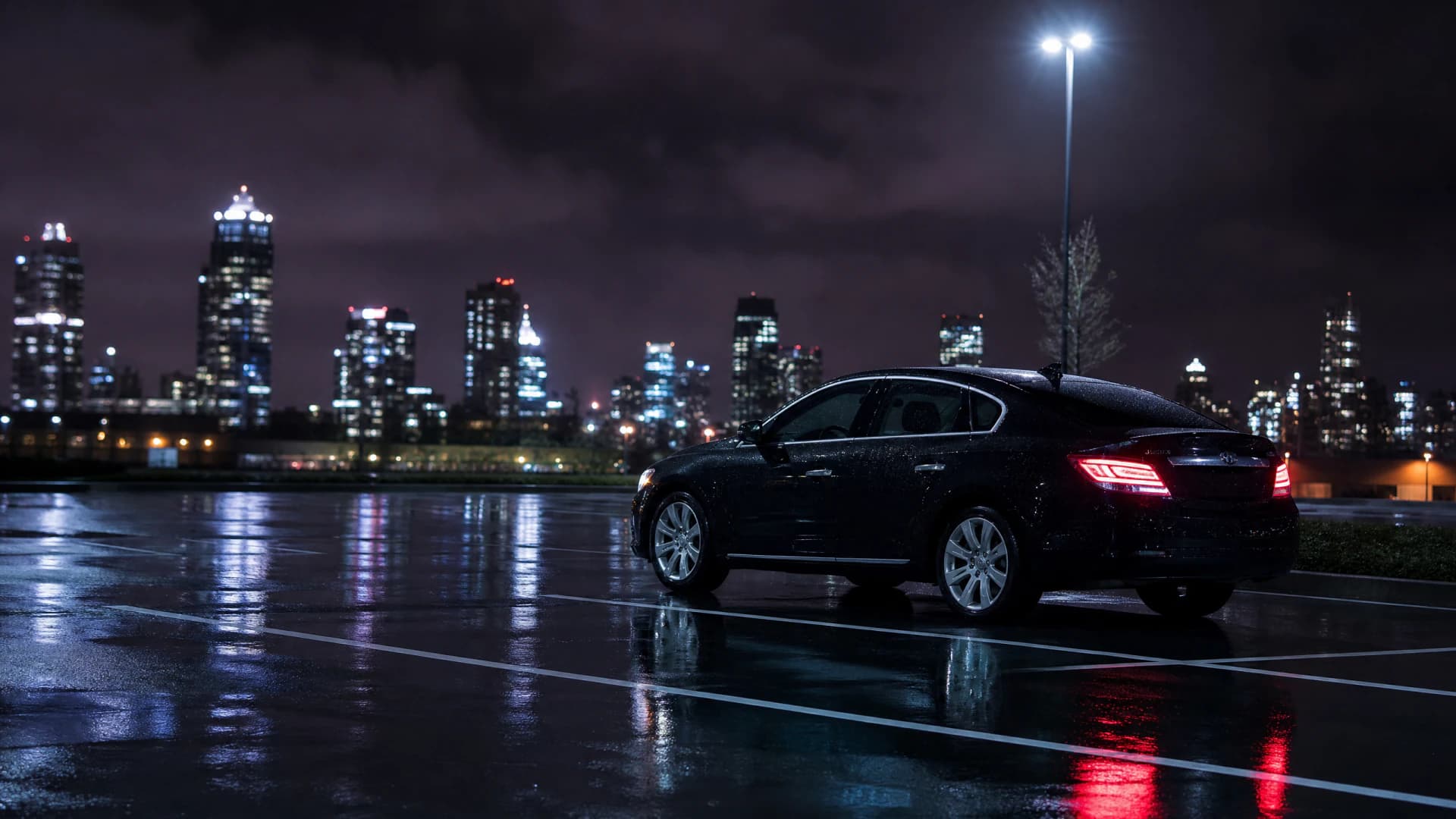
The accident resets your underwriting profile even if the DUI SR-22 filing was already in place — carriers re-evaluate total exposure at every claim and renewal cycle.



What You Will Pay and Why It Varies by County
Monthly premiums for liability-only coverage after DUI plus at-fault accident in Utah typically range from $180 to $320 per month, depending on your county, age, vehicle, and the severity of the accident. Salt Lake County and Utah County drivers face higher base rates due to traffic density and claim frequency. Rural counties see lower premiums but fewer carrier options — some non-standard carriers do not actively write in counties with populations under fifty thousand.
The accident claim amount matters. A $2,000 fender-bender has less underwriting weight than a $15,000 injury claim. If your accident triggered bodily injury liability coverage, expect quotes at the high end of the range. If property damage only, you will land closer to the middle. Carriers also consider the time gap between DUI conviction and accident date: violations within six months of each other signal higher ongoing risk than violations separated by eighteen months.
Full coverage (collision and comprehensive on top of liability) after dual triggers is rarely cost-effective unless you drive a vehicle worth more than $15,000 and can afford $1,000 deductibles. Most dual-trigger drivers in Utah carry liability-only policies until the SR-22 period ends and the accident ages off their record — typically three years from the accident date. Adding collision coverage can push monthly premiums past $500 in urban counties.
3 years
Utah SR-22 Filing Duration
Utah requires continuous SR-22 filing for three years after DUI conviction. The accident does not extend this period, but any lapse in coverage during the three years restarts the clock from the date you refile. Miss a payment and you reset the entire requirement.
Utah Code Ann. § 41-12a-303.3
How to Compare Carriers Without Triggering More Pulls
Every formal quote application generates a credit inquiry, and stacking multiple inquiries within a short window can lower your credit score further — which raises premiums again. Use comparison tools that aggregate quotes without requiring separate applications to each carrier. Progressive, Geico, and The General allow anonymous quote previews before you submit personal information. Once you identify two or three viable options, apply formally to those carriers only.
Brokers who specialize in high-risk auto can access underwriting exceptions not visible through direct-to-consumer quoting tools. If online quotes all come back declined or above $300 per month, contact a broker licensed in Utah who works with non-standard carriers. Brokers can submit your application to Bristol West, Dairyland, or GAINSCO with context that online forms do not capture — employment stability, completion of DUI education, or installation of a dashcam to demonstrate commitment to safe driving. These factors do not override the violations, but they can shift you into a lower-risk subsegment within the non-standard pool.
Get Quotes from Carriers That Write Dual-Trigger Policies
Start with Progressive, Geico, and National General online quoting tools today. If those quotes exceed your budget or come back declined, contact a Utah-licensed broker who writes Bristol West, Dairyland, or GAINSCO. Expect the quoting process to take three to five business days when brokers are involved. Secure coverage before your current policy's cancellation date — even expensive coverage is better than driving uninsured, which adds a third violation and moves you into assigned-risk pools where premiums double again and choice disappears entirely.
Non-Standard Carriers That Write Dual-Trigger Policies in Utah
Progressive, Geico, and National General write dual-trigger policies and offer online quoting tools. These are your first-stop carriers because they process applications without broker intermediation and return quotes within minutes. Progressive's Snapshot program may offer a discount if you demonstrate safe driving behavior for ninety days post-accident. Geico underwrites through multiple subsidiaries and may place you in a higher-risk entity within the Geico group rather than declining outright. National General operates as Allstate's non-standard division and has broader appetite for stacked violations than Allstate-branded policies.
Bristol West, Dairyland, GAINSCO, and The General write high-risk policies but often require broker contact to access underwriting discretion. Bristol West specializes in non-standard auto and writes in forty-three states including Utah; their appetite for dual triggers is documented but quotes are slower. Dairyland and GAINSCO both write SR-22 and non-owner policies for suspended drivers, which signals appetite for high-risk profiles. The General markets directly to post-violation drivers and processes dual-trigger applications, though premiums are consistently higher than Progressive or Geico for comparable coverage.
Get Your Free Quote
Get My Utah DUI Insurance QuoteFrequently Asked Questions
Can I keep my current SR-22 insurance after an at-fault accident in Utah?
Your carrier will decide at the next renewal cycle whether to keep you. Most standard SR-22 carriers non-renew after an at-fault accident stacks on top of an existing DUI. If your carrier non-renews, you have thirty days to secure replacement coverage before your SR-22 lapses, which restarts your three-year filing requirement from zero.
Does the accident extend my SR-22 filing period in Utah?
No. Utah's three-year SR-22 requirement runs from your DUI conviction date, not from the accident. The accident does not add time unless it triggered a separate suspension (for example, uninsured driving or leaving the scene). However, any lapse in SR-22 coverage during the three years restarts the entire requirement.
Will I pay more for insurance after a DUI and accident than after just a DUI?
Yes. A DUI alone typically raises Utah premiums to $120–$200 per month for liability coverage. Adding an at-fault accident pushes that range to $180–$320 per month, because you move from high-risk standard carriers into non-standard pools with less competition. The increase is largest in Salt Lake and Utah counties.
Can I get non-owner SR-22 insurance in Utah after a DUI and accident?
Yes. If you do not own a vehicle, non-owner SR-22 policies satisfy Utah's filing requirement and cost less than standard policies — typically $50–$90 per month even with dual violations. Geico, Progressive, Dairyland, and GAINSCO all write non-owner SR-22 in Utah for dual-trigger drivers.
What happens if I cannot afford insurance after my carrier drops me?
If you let coverage lapse, your SR-22 filing terminates and the Utah Driver License Division suspends your license again. The three-year filing requirement restarts from the date you refile, not from your original conviction. Driving uninsured adds a third violation, which pushes you into assigned-risk pools where premiums can exceed $500 per month and carrier choice disappears.