DUI Insurance Cost — Utah
Free to compare
What You're Paying After a Utah DUI
Your DUI conviction in Utah just added $2,160 to $3,720 annually to your auto insurance bill—not as a surcharge, but as the baseline premium shift when carriers move you from standard to high-risk underwriting. That range spans three years of mandatory SR-22 filing, and where you land inside it depends less on your BAC at arrest and more on how the carrier categorizes your violation type.
Utah's 0.05% BAC law—the lowest in the nation since December 2018—creates a structural pricing problem carriers solve differently. Some treat any DUI as equivalent risk. Others segment per se violations (BAC over the legal threshold with no observed impairment) from impairment-based DUI convictions, pricing the former closer to reckless driving and the latter as traditional alcohol-related risk. You need to know which pricing model applies before comparing quotes, because the $130/month difference between tiers is structural, not negotiable.
“Utah's 0.05% BAC threshold puts you into DUI status at levels other states treat as reckless driving—carriers with tiered models price that difference.”

Compare Utah Rates for Drivers With a DUI
Get My Utah DUI Insurance Quote$180–$310/mo
Utah DUI Premium Range
Monthly cost for liability-only coverage with SR-22 filing after first-offense DUI, based on 35-year-old male driver with clean prior record in Salt Lake County. Actual premium depends on violation classification, carrier underwriting model, and county of residence.
Utah Department of Insurance rate filing data, 2024
Why Carriers Price Utah DUI Differently Than Other States
Most states set DUI thresholds at 0.08% BAC. Utah's 0.05% threshold means you can be convicted with a BAC that wouldn't trigger DUI charges in any other state. Carriers know this and adjust their underwriting models accordingly.
Geico, Progressive, and National General use tiered DUI pricing in Utah. A conviction at 0.05%–0.079% BAC with no observed impairment signals may be quoted in a mid-tier risk bucket—higher than standard, but lower than the rate applied to a 0.15% BAC conviction with field sobriety test failure. State Farm and Allstate collapse all DUI convictions into a single risk category regardless of BAC level, which produces higher quotes for borderline cases and sometimes lower quotes for aggravated cases.
The court record detail matters more than you'd expect. If your conviction shows per se violation only (BAC over threshold, no impairment evidence), carriers with tiered models price you lower. If the record includes refusal to test, accident involvement, or minor passenger presence, every carrier prices you at the top of the DUI range. Pull your court docket before quoting—what's listed there drives the underwriting decision.
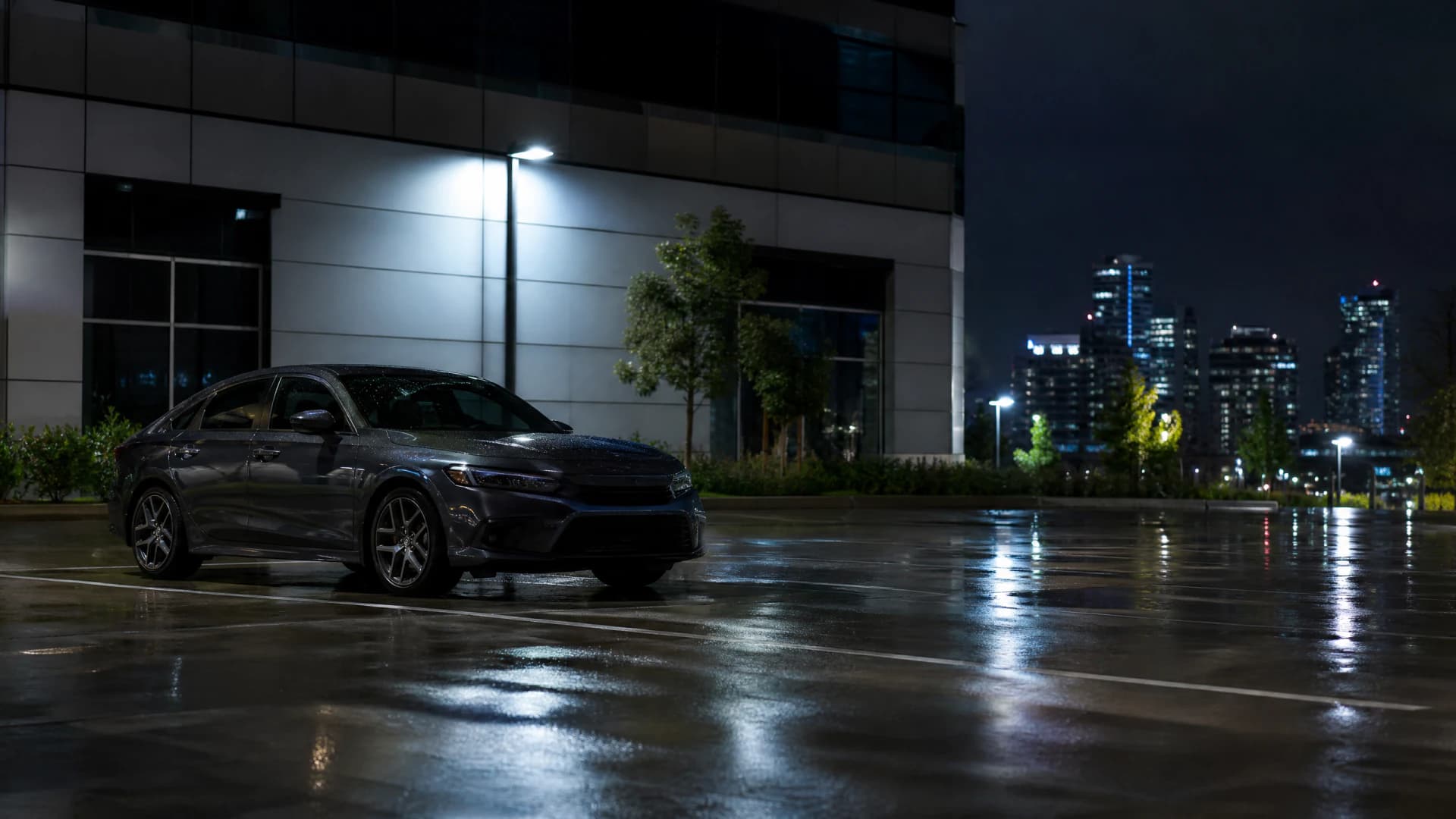
Utah's 0.05% threshold puts drivers into DUI conviction status at BAC levels carriers in other states treat as reckless driving—your quote depends on whether the carrier's model segments that difference.


Where the Premium Range Comes From
The $180/month floor applies to drivers who meet every favorable underwriting factor: first offense, no accident involvement, BAC under 0.08%, over age 25, homeowner, no lapses in the prior three years, liability-only coverage in a rural county. Move any of those variables and the quote rises.
Second DUI within ten years pushes premiums into $350–$480/month range and shrinks the carrier pool to Dairyland, Bristol West, The General, and GAINSCO. Accident involvement at the time of arrest adds $40–$90/month. Refusal to submit to chemical testing is treated as aggravating and typically prices the same as a 0.15%+ BAC. Drivers under 25 face an additional age surcharge on top of the DUI penalty, often adding $60–$110/month to the base high-risk rate.
County of residence moves the rate by 15–30% within the same carrier. Salt Lake County sits mid-range. Summit County premiums run 10–15% higher due to elevated uninsured motorist rates and claim frequency in resort corridors. Utah County and Washington County run slightly below Salt Lake rates. Cache County and rural counties offer the lowest premiums in the state, but carrier availability shrinks—some non-standard carriers don't write north of Ogden.
3 years
Utah SR-22 Filing Period
Required SR-22 duration for DUI conviction, measured from conviction date. The three-year period does not restart when you switch carriers, but any lapse in coverage triggers automatic suspension and requires $340 reinstatement fee plus new SR-22 filing to restore driving privileges.
Utah Code § 41-12a-804
Court-Ordered Ignition Interlock and Insurance Interaction
Utah courts require ignition interlock device installation for most DUI convictions. The device itself costs $70–$120/month for lease and monitoring, paid separately to the IID vendor. Carriers do not reduce your premium for having an interlock installed—the interlock satisfies a court and DLD condition, but does not mitigate underwriting risk in the carrier's model.
If the court grants you a Limited License (Utah's term for restricted driving privileges during suspension), you still need SR-22 filing and full liability coverage to activate that license. The Limited License is not an insurance product—it's a court order allowing driving to and from work, school, medical appointments, and court-ordered programs during specific hours. Your insurance cost remains the same whether you're on a Limited License or a fully reinstated license; the SR-22 requirement is identical for both.
Getting Quoted Without Wasting Time on Non-Writers
Start with carriers confirmed to write SR-22 in Utah: Geico, Progressive, Dairyland, National General, Bristol West, The General, and GAINSCO. State Farm and USAA write SR-22 for existing customers but rarely quote competitively for new post-DUI applicants. Farmers, Allstate, Liberty Mutual, and Nationwide either don't write SR-22 or refer you to a non-standard subsidiary with separate underwriting—quote those only after you've locked rates from the primary seven.
Request quotes as liability-only first, then add comprehensive if you finance a vehicle. Collision coverage on a high-risk policy doubles your premium and makes sense only if your vehicle is worth more than $8,000. Non-owner SR-22 policies cost $35–$65/month and satisfy the SR-22 requirement if you don't own a vehicle but need to reinstate your license or maintain a Limited License. Compare at least three carriers—$80/month spread between the highest and lowest quote is typical, and the lowest isn't always the carrier you'd expect.
How SR-22 Filing Adds to the Cost
When you request SR-22 filing, the carrier moves your policy from standard underwriting to high-risk or non-standard underwriting. That shift is what produces the $180–$310/month premium range. The SR-22 filing fee is a one-time or annual administrative charge; the premium increase is the structural cost of being classified as high-risk for 36 months. If you let coverage lapse at any point during those three years, the carrier notifies the DLD within 10 days and your license suspends automatically—reinstatement then requires a new $340 fee plus proof of continuous coverage going forward.
Not all carriers write SR-22 policies. State Farm writes SR-22 for existing customers but may non-renew after the first term. USAA writes SR-22 for members. Geico, Progressive, Dairyland, Bristol West, The General, GAINSCO, and National General actively write SR-22 policies for new customers post-DUI. If your current carrier won't file SR-22 or quotes above $280/month, switching carriers during the SR-22 period is common and does not reset the three-year clock—the clock runs from your DUI conviction date regardless of how many times you switch carriers.
Get Your Free Quote
Get My Utah DUI Insurance QuoteFrequently Asked Questions
Does SR-22 filing increase my insurance cost in Utah?
SR-22 filing itself costs $15–$50, but requesting it moves your policy into high-risk underwriting, which raises your premium to $180–$310/month for liability coverage. The underwriting tier shift is the cost driver, not the filing fee.
How long do I need SR-22 after a DUI in Utah?
Utah requires SR-22 filing for three years after DUI conviction, measured from the conviction date. Any lapse in coverage during those three years triggers automatic license suspension and requires a $340 reinstatement fee.
Can I get a Limited License in Utah after DUI and what does it cost for insurance?
Yes—Utah courts issue Limited Licenses allowing restricted driving during suspension. You need SR-22 filing and full liability coverage to activate the Limited License. Insurance cost remains $180–$310/month regardless of whether you hold a Limited License or fully reinstated license.
Why are DUI insurance quotes so different between carriers in Utah?
Utah's 0.05% BAC threshold creates variation in how carriers classify violations. Some segment per se cases (BAC over threshold, no impairment) from traditional DUI convictions and price them differently; others treat all DUI equally. Quote spread of $80–$130/month between carriers is typical.
Do I need insurance while my license is suspended in Utah?
Yes—Utah requires continuous SR-22 filing during suspension. If coverage lapses, the Driver License Division is notified within 10 days and your reinstatement eligibility resets. Maintaining coverage during suspension is required even if you're not driving.
Does ignition interlock lower my insurance cost in Utah?
No—carriers do not reduce premiums for ignition interlock installation. The device satisfies a court and DLD requirement but does not mitigate underwriting risk in the carrier's pricing model.