
First DUI Insurance Rate Impact — Utah
Free to compare
Your Premium Just Tripled
You got a DUI in Utah last week. Your current carrier sent a non-renewal notice yesterday. You're calling around for quotes and every number you hear is $400, $500, $600 per month — triple what you paid before. You're trying to understand whether this is temporary, whether shopping will help, and how long you'll be paying this rate.
Utah first-offense DUI convictions raise monthly premiums by $180 to $320 for standard-tier drivers who can still find standard carriers willing to write them. Most cannot. The median standard-tier Utah driver paying $110/month before a DUI will pay $290–$430/month after conviction, and that rate holds for three years while SR-22 filing remains active on your record.
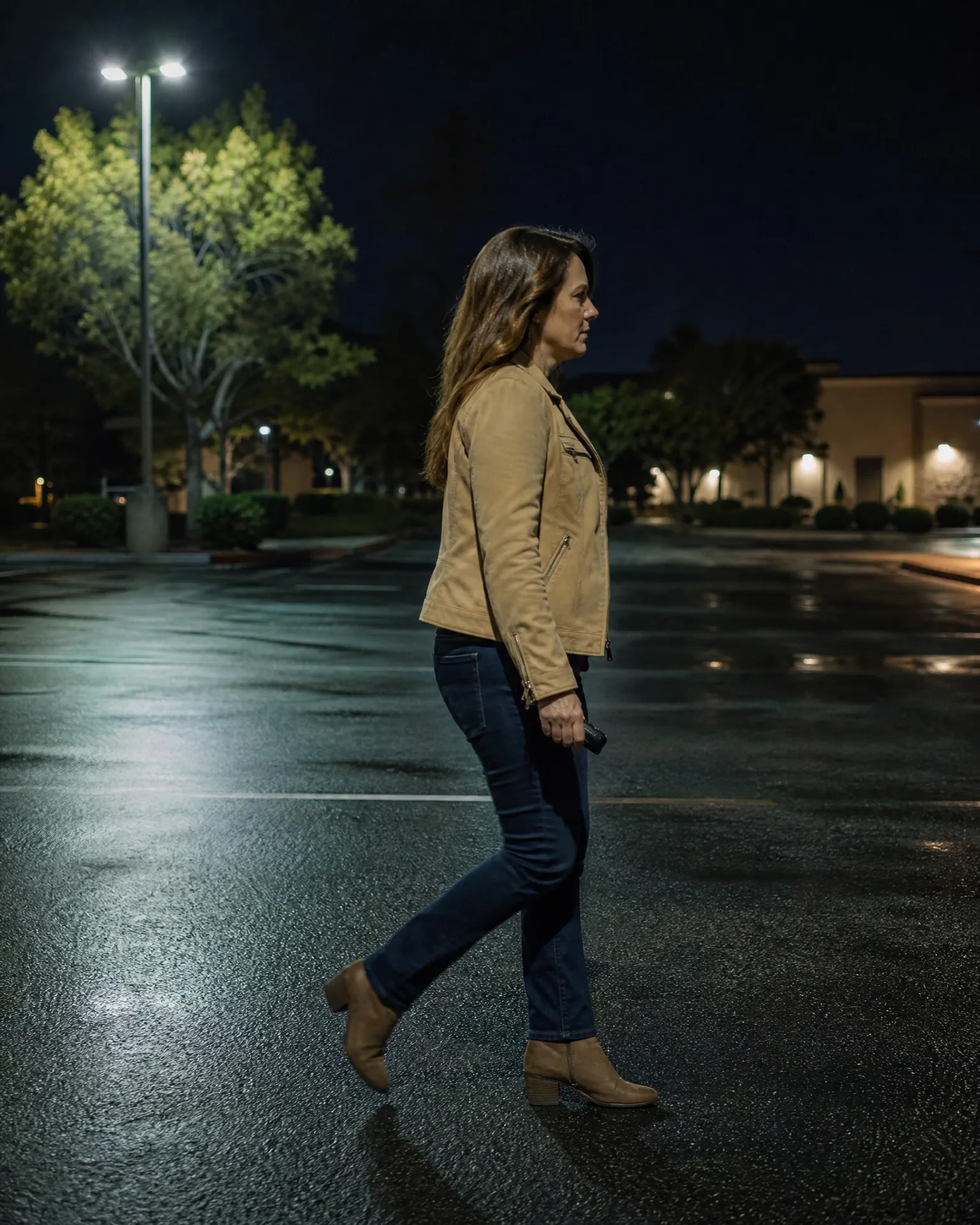
“Administrative suspension triggers SR-22 requirements before you've been convicted — your rate shock starts the day DLD processes the arrest.”
Compare Utah Rates for Drivers With a DUI
Get My Utah DUI Insurance Quote$180–$320/mo
Utah First DUI Premium Add
Standard-tier drivers in Utah see monthly premiums rise by this amount following a first DUI conviction. Non-standard carriers charge higher base rates but may offer lower relative increases for drivers already classified as high-risk.
Utah Department of Insurance carrier rate filing analysis, 2024
Why Your Carrier Dropped You Before Conviction
Utah operates a dual-track suspension system. The Driver License Division issues an administrative suspension within days of your arrest if your BAC was 0.05% or higher — you don't wait for a court conviction. That administrative suspension triggers SR-22 filing requirements immediately, and your carrier receives electronic notification from the state that you are now a suspended driver requiring financial responsibility proof.
Most standard carriers — State Farm, Allstate, Farmers — will non-renew your policy as soon as the administrative suspension hits their underwriting system. They are not required to insure SR-22 drivers, and most choose not to. The non-renewal notice arrives weeks before your court date. This is why your rate shock starts before you've been convicted of anything.
You now need a carrier that writes SR-22 policies for post-DUI drivers in Utah. That universe is smaller: Geico, Progressive, National General, Bristol West, Dairyland, The General, and GAINSCO all write SR-22 in Utah. Standard carriers that kept you after a speeding ticket will not keep you after a DUI administrative suspension.

Utah's 0.05% BAC threshold is the lowest in the nation. You can trigger administrative suspension and SR-22 requirements at BAC levels other states classify as legal.




Standard Tier vs Non-Standard Tier Rate Comparison
Geico and Progressive write SR-22 policies in Utah and will quote first-offense DUI drivers, but their underwriting treats you as a substandard risk now. Expect $290–$430/month from these carriers if you qualify. National General and Bristol West specialize in non-standard auto and may offer $320–$500/month depending on your age, vehicle, and county.
Dairyland, The General, and GAINSCO focus exclusively on high-risk drivers. Their base rates start higher — $350–$550/month for a first DUI in Utah — but they do not surcharge as aggressively as standard carriers moving you into a high-risk tier. If you have additional violations on your record (points, prior at-fault accidents, prior lapses), non-standard carriers often produce the lowest available premium because they do not penalize compounding risk factors as severely as Geico or Progressive.
Your credit score, age, and vehicle heavily influence which carrier offers the lowest rate. A 35-year-old with good credit driving a 2015 sedan may get $310/month from Progressive. A 22-year-old with poor credit driving a 2008 truck may pay $520/month from Bristol West. Shopping matters — rate spreads between carriers for the same driver profile routinely exceed $150/month.
3 years
Utah SR-22 Filing Duration
Utah Code Ann. § 41-12a-303.3 requires SR-22 filing for three years following a DUI conviction, measured from conviction date. The filing period does not start at arrest or administrative suspension — it starts when the court enters judgment.
Utah Code Ann. § 41-12a-303.3

Rate Reduction Pathway After Year One
Most carriers will not reduce your premium before the SR-22 filing period ends. A few — Geico, Progressive — offer modest reductions after 12 or 24 months of continuous coverage with no new violations. These reductions are not automatic. You must request a re-rate from your underwriter, and the reduction typically ranges from $20 to $50 per month, not a return to pre-DUI pricing.
Your best opportunity for rate relief comes at the three-year mark when SR-22 filing ends and the DUI conviction ages off your underwriting profile. At that point you can re-shop standard carriers. Expect rates to drop 40–60% from your peak SR-22-era premium, though you will not return to your original rate for five to seven years after conviction depending on carrier and how clean your record remains post-DUI.
What You Do Right Now
Get quotes from at least four carriers that write SR-22 in Utah: Geico, Progressive, Bristol West, and Dairyland. Do not call your current carrier first — if they have not already non-renewed you, quoting SR-22 coverage will trigger underwriting review and accelerate non-renewal. Start with carriers that specialize in post-DUI coverage and compare monthly premiums, down payment requirements, and payment plan options. The lowest monthly rate is not always the best deal if the down payment is $800 and you need coverage active by next week. Some non-standard carriers offer $150–$200 down payment plans that cost $30 more per month but get you legal faster. Choose based on your cash position today, not hypothetical savings over three years.
Three-Year Rate Window Explained
SR-22 is not insurance — it is a certificate your carrier files with the Utah Driver License Division proving you maintain continuous liability coverage at state minimum levels. Utah requires $25,000 per person, $65,000 per accident bodily injury, and $15,000 property damage. Your carrier charges you the elevated premium because you are now statistically classified as a high-risk driver, and they file the SR-22 on your behalf as long as your policy remains active.
If your policy lapses for any reason during the three-year SR-22 period — missed payment, voluntary cancellation, carrier non-renewal — the carrier notifies DLD within 10 days and your license is automatically suspended again. Reinstatement after an SR-22 lapse requires paying a $30 reinstatement fee, obtaining a new SR-22 policy, and waiting for DLD processing. You do not get credit for time already served. The three-year clock starts over from the date you re-file SR-22.
Get Your Free Quote
Get My Utah DUI Insurance QuoteFrequently Asked Questions
Does a first DUI in Utah require SR-22 filing?
Yes. Utah requires SR-22 filing for three years following a first-offense DUI conviction under Utah Code Ann. § 41-12a-303.3. The filing starts when the court enters judgment, not at arrest or administrative suspension, though many carriers will non-renew you as soon as the administrative suspension appears on your record.
Can I keep my current insurance after a DUI in Utah?
Most standard carriers — State Farm, Allstate, Farmers — will non-renew your policy when they receive notification of your DUI administrative suspension from the Utah Driver License Division. Geico and Progressive write SR-22 policies in Utah and may keep you at elevated rates. You will likely need to switch to a carrier specializing in high-risk or non-standard auto.
How much does SR-22 filing cost in Utah?
The SR-22 certificate filing fee is typically $15–$50 depending on carrier. That fee is separate from your premium increase. The real cost is the $180–$320 per month premium increase Utah drivers pay for three years while SR-22 remains active — total cost over three years ranges from $6,500 to $11,500 in additional premiums.
Will my rate go down after one year with no new violations?
Some carriers — Geico, Progressive — offer modest reductions of $20–$50 per month after 12 or 24 months of continuous SR-22 coverage with no new violations. These reductions are not automatic and must be requested. Most carriers will not reduce your rate significantly until the three-year SR-22 period ends and you can re-shop standard-tier coverage.
What happens if I let my SR-22 policy lapse in Utah?
Your carrier notifies the Utah Driver License Division within 10 days of any lapse. DLD automatically suspends your license again. Reinstatement requires a $30 fee, obtaining a new SR-22 policy, and DLD processing. You do not receive credit for time already served — the three-year SR-22 clock resets from the date you re-file.
Does Utah's 0.05% BAC limit affect insurance rates differently?
No. Carriers classify any DUI conviction the same regardless of your BAC level. Utah's 0.05% threshold means you can be arrested and administratively suspended at BAC levels other states consider legal, but once convicted your rate increase is identical to a driver arrested at 0.12% BAC.