
Liability-Only Cost After DUI — Utah
Free to compare
The Liability-Only Pricing Assumption After a Utah DUI
You received a DUI conviction in Utah, your license was suspended, and you're working through reinstatement. The court ordered SR-22 filing, the DLD sent a reinstatement packet, and now you're shopping for coverage. Full-coverage quotes are running $180–$240/month. You assume liability-only will cut that cost in half — it doesn't.
Liability-only coverage after a Utah DUI typically costs $95–$155/month with SR-22 filing included. That's 15-25% less than full coverage, not the 50% savings clean-record drivers see when they drop collision and comprehensive. The compression happens because SR-22 filing fees, non-standard tier placement, and Utah's required PIP minimums eat most of the discount collision removal would otherwise provide.
“Liability-only after DUI saves 15-25%, not 50% — SR-22 fees and mandatory PIP compress the discount collision removal would give a clean-record driver.”

Compare Utah Rates for Drivers With a DUI
Get My Utah DUI Insurance Quote$95–$155/mo
Utah DUI Liability-Only Premium
This range reflects liability-only coverage with SR-22 filing for drivers with a single DUI conviction and no prior suspensions. Actual premiums vary by age, county, and prior claims history. Estimates based on available industry data; individual rates vary.
Utah Department of Insurance filings, 2024
Why Liability-Only Savings Compress After DUI
Liability-only coverage costs less than full coverage because you're not insuring your own vehicle for collision or comprehensive damage. For clean-record drivers, dropping those coverages cuts premiums by 40-50%. After a DUI, that discount shrinks to 15-25%. Three structural factors cause the compression.
First, SR-22 filing adds a flat cost regardless of coverage level. Carriers charge $15–$35/month for continuous SR-22 filing and monitoring. That fee applies whether you carry liability-only or full coverage, so it forms a larger percentage of your total liability-only premium. Second, Utah requires $3,000 in PIP coverage under Utah Code 31A-22-302. PIP is not optional and does not disappear when you drop collision — it remains part of liability-only policies and costs $25–$50/month depending on your tier. Third, non-standard tier base rates are higher. DUI moves you into a pricing tier where even liability-only base premiums start 60-90% above standard-tier equivalents. The collision discount is calculated against an already-elevated base, so the absolute dollar savings are smaller.
A clean-record driver paying $90/month for full coverage might drop to $45/month for liability-only — a 50% reduction. A post-DUI driver paying $200/month for full coverage drops to $140/month for liability-only — a 30% reduction. The percentage shrinks because the fixed costs (SR-22, PIP) and elevated base rates compress the gap.
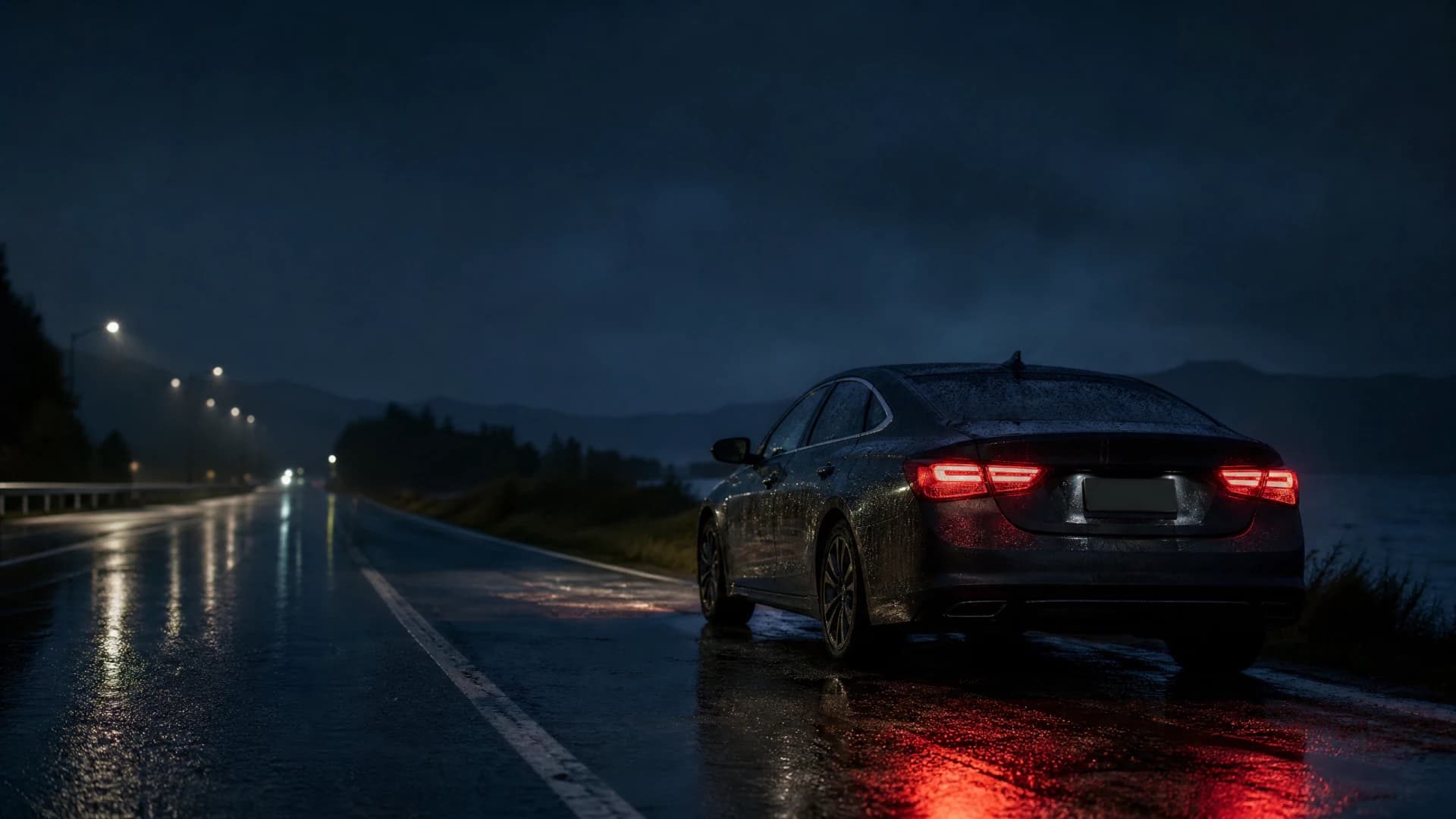
Dropping collision saves less after DUI because SR-22 filing, mandatory PIP, and non-standard tier base rates form a larger share of your total premium — the discount you're removing is smaller to begin with.

What Liability-Only Covers After a Utah DUI
Liability-only coverage in Utah includes three required components: bodily injury liability, property damage liability, and personal injury protection. Bodily injury liability pays the other party's medical bills, lost wages, and legal costs when you cause an accident. Utah's minimum is $25,000 per person and $65,000 per accident under Utah Code 31A-22-304. Property damage liability pays to repair or replace the other party's vehicle and damaged property; Utah's minimum is $15,000 per accident. PIP pays your own medical bills and lost income up to $3,000 regardless of fault — it's mandatory in Utah and included in all liability-only policies.
Liability-only does not cover damage to your own vehicle. If you cause an accident, total your car in a single-vehicle crash, or your vehicle is stolen or vandalized, you receive no payout. It also does not cover comprehensive perils like hail, fire, or hitting a deer. After a DUI, some carriers offer uninsured motorist coverage as an add-on to liability-only policies — this pays your medical bills and vehicle damage when the at-fault driver has no insurance. Utah does not require UM coverage, but it's worth considering in counties with higher uninsured driver rates (Carbon, Emery, and San Juan counties report elevated uninsured motorist claim frequency per Utah Department of Insurance data).
The SR-22 filing attached to your liability-only policy does not expand what the policy covers. SR-22 is a compliance certificate, not a coverage type. It proves to the DLD that you're maintaining continuous liability coverage for the required 3-year period following DUI conviction. If your policy lapses for any reason, the carrier notifies the DLD within 10 days and your license is re-suspended immediately.
3 years
Utah SR-22 Filing Duration
Utah requires continuous SR-22 filing for 3 years following DUI conviction, measured from the conviction date. The filing period does not restart if you switch carriers, but any lapse in coverage triggers immediate re-suspension and restarts the clock.
Utah Code 41-12a-303.5
Carrier Availability and Quote Variance
Not all carriers writing in Utah offer liability-only policies to post-DUI drivers. Progressive, Geico, The General, Dairyland, Bristol West, GAINSCO, and National General all write liability-only with SR-22 filing in Utah. State Farm writes SR-22 but may steer DUI-convicted drivers toward full coverage depending on underwriting guidelines. USAA writes SR-22 for members but prefers full coverage for higher-risk profiles. Allstate, Farmers, and Liberty Mutual write in Utah but do not consistently offer non-standard tier liability-only — you may receive a declination or a quote requiring collision.
Quote variance for the same coverage can run $40–$70/month between carriers. A 34-year-old male driver in Salt Lake County with a single DUI and no prior claims might receive liability-only quotes of $105/month from Dairyland, $128/month from Progressive, and $142/month from Geico. The variance comes from how each carrier weights DUI in their underwriting algorithm and whether they apply county-level surcharges for theft or uninsured motorist frequency. Always quote at least three carriers before selecting coverage — the cheapest option varies by driver profile and ZIP code.
Compare Liability-Only Quotes from Utah Carriers
Liability-only premiums after a Utah DUI compress savings more than most drivers expect, but the 15-25% discount still matters when budgets are tight and your vehicle is paid off. The decision comes down to loan status, replacement cost tolerance, and whether you can absorb the loss if your car is totaled in an at-fault crash. If you're financing, liability-only is not an option — lenders require collision. If you own outright and your vehicle's value is under $5,000, liability-only is defensible. If your car is worth $10,000 or more and you lack replacement savings, the risk outweighs the monthly savings.
Start by quoting liability-only and full coverage side by side from the same carrier. Calculate the actual monthly savings, not the percentage. If the gap is $30/month and your vehicle is worth $12,000, you're saving $360/year while risking a $12,000 uninsured loss. If the gap is $25/month and your vehicle is worth $2,500, the math shifts — you're risking a replaceable asset and keeping an extra $300/year. The comparison tool below pulls real quotes from carriers writing post-DUI coverage in Utah and shows both liability-only and full-coverage options so you can see the actual compression in your county.
When Liability-Only Makes Sense and When It Backfires
Liability-only works when you own your vehicle outright, its market value is under $3,000, and you have cash reserves to replace it if totaled in an at-fault accident. It also works if you're carrying non-owner SR-22 because you don't have a vehicle to insure. In both cases, the 15-25% premium savings are real money back each month, and the collision risk is manageable because you're not financing and replacement cost is low.
Liability-only backfires when you're financing or leasing. Lenders require collision and comprehensive coverage as a loan condition — dropping to liability-only violates your financing agreement and triggers forced-place insurance, which costs 2-3 times more than voluntary coverage and does not satisfy SR-22 filing. It also backfires if your vehicle's market value exceeds $8,000 and you don't have savings to replace it. Utah is a modified comparative negligence state under Utah Code 78B-5-818 — if you're found more than 50% at fault in an accident, you recover nothing from the other driver. Your vehicle is totaled, you still owe reinstatement fees, and you have no car to drive to work or DUI education classes.
Get Your Free Quote
Get My Utah DUI Insurance QuoteFrequently Asked Questions
Does liability-only coverage satisfy Utah's SR-22 filing requirement after DUI?
Yes. Liability-only coverage satisfies Utah's SR-22 requirement as long as it meets state minimums: $25,000 bodily injury per person, $65,000 per accident, $15,000 property damage, and $3,000 PIP. The carrier files SR-22 with the DLD regardless of whether you carry collision or comprehensive.
Can I drop to liability-only if I'm financing my car after a DUI?
No. Financing agreements require collision and comprehensive coverage until the loan is paid off. Dropping to liability-only violates the loan contract and triggers forced-place insurance from the lender, which costs 2-3 times more than voluntary coverage and may not satisfy SR-22 filing.
How much does SR-22 filing add to liability-only premiums in Utah?
SR-22 filing adds $15–$35/month to liability-only premiums depending on the carrier. This is a flat monitoring and compliance fee, not a percentage of your premium, so it forms a larger share of total cost on liability-only policies than on full-coverage policies.
What happens if my liability-only policy lapses during the SR-22 period?
The carrier notifies the Utah Driver License Division within 10 days of the lapse. Your license is immediately re-suspended, you owe a new $30 reinstatement fee, and the 3-year SR-22 filing period restarts from the date you reinstate coverage. There is no grace period.
Do all carriers in Utah offer liability-only coverage after DUI?
No. Progressive, Geico, The General, Dairyland, Bristol West, GAINSCO, and National General consistently write liability-only with SR-22 for DUI-convicted drivers. State Farm, USAA, Allstate, and Farmers may require full coverage or decline to quote depending on underwriting guidelines and prior claims history.
Is uninsured motorist coverage required on liability-only policies in Utah?
No. Utah does not require uninsured motorist coverage, but carriers often offer it as an optional add-on to liability-only policies. It pays your medical bills and vehicle damage when an at-fault driver has no insurance. Consider adding it in counties with higher uninsured driver rates.
How long do I have to carry SR-22 after a Utah DUI?
Utah requires SR-22 filing for 3 years following DUI conviction, measured from the conviction date. The filing must remain continuous — any lapse restarts the 3-year period. Switching carriers does not restart the clock as long as there is no coverage gap.