
Restricted License Insurance — Utah
Free to compare
The Court Approved Your Limited License—But You Still Can't Drive
You petitioned the court, attended the hearing, and received a signed order granting your Utah Limited License. The judge outlined specific hours and routes: work Monday through Friday 7 AM to 6 PM, medical appointments as scheduled, court-ordered DUI classes twice weekly. You assumed the hard part was over. Then you called your employer's HR department to confirm you could return to your scheduled shifts, and they asked for proof of insurance with SR-22 certification. You didn't realize insurance was part of the equation.
This is the procedural gap that strands most Utah drivers between court approval and actual driving privileges. The court issues the Limited License order, but the Utah Driver License Division won't activate the restriction on your driving record until you file an SR-22 certificate proving financial responsibility. Without that SR-22 on file, your license remains suspended in the state's system—even though you're holding a court order that says otherwise. Your employer, your probation officer, and any law enforcement officer who runs your license will see a suspended status until the SR-22 closes the loop.
“Court approval grants permission to drive under restriction. SR-22 filing grants DLD recognition of that permission. Without both, you remain suspended.”

Compare Utah Rates for Drivers With a DUI
Get My Utah DUI Insurance Quote1-3 business days
SR-22 Electronic Filing Window
Most carriers electronically transmit SR-22 certificates to the Utah Driver License Division within 1-3 business days of policy binding. The DLD updates your driving record within 24-48 hours of receiving the filing, at which point your Limited License restriction becomes administratively active.
Utah Driver License Division processing timelines
Why Utah Requires SR-22 for a Limited License
Utah Code § 41-12a-303.7 requires drivers convicted of DUI, uninsured driving, or other serious violations to maintain continuous SR-22 financial responsibility certification for three years following conviction. The Limited License does not exempt you from this requirement—it runs parallel to it. The court grants limited driving privileges; the DLD requires proof you can financially cover damages if you cause an accident while exercising those privileges.
The SR-22 is not insurance itself. It is a certificate your insurance carrier files with the state certifying that you carry at least Utah's minimum liability limits: $25,000 bodily injury per person, $65,000 bodily injury per accident, and $15,000 property damage. Because Utah is a no-fault state, your policy must also include Personal Injury Protection coverage of at least $3,000. The carrier monitors your policy continuously and notifies the DLD immediately if you cancel, lapse, or fail to renew. A lapse triggers automatic suspension again, even if your Limited License court order remains valid.
This dual-track system—court controlling the scope of your driving privilege, DLD controlling the administrative status—creates the procedural confusion you're navigating right now. The court does not communicate directly with the DLD. You must bridge that gap by filing the SR-22 yourself.

Court approval grants permission to drive under restriction. SR-22 filing grants DLD recognition of that permission. Without both, you remain suspended.

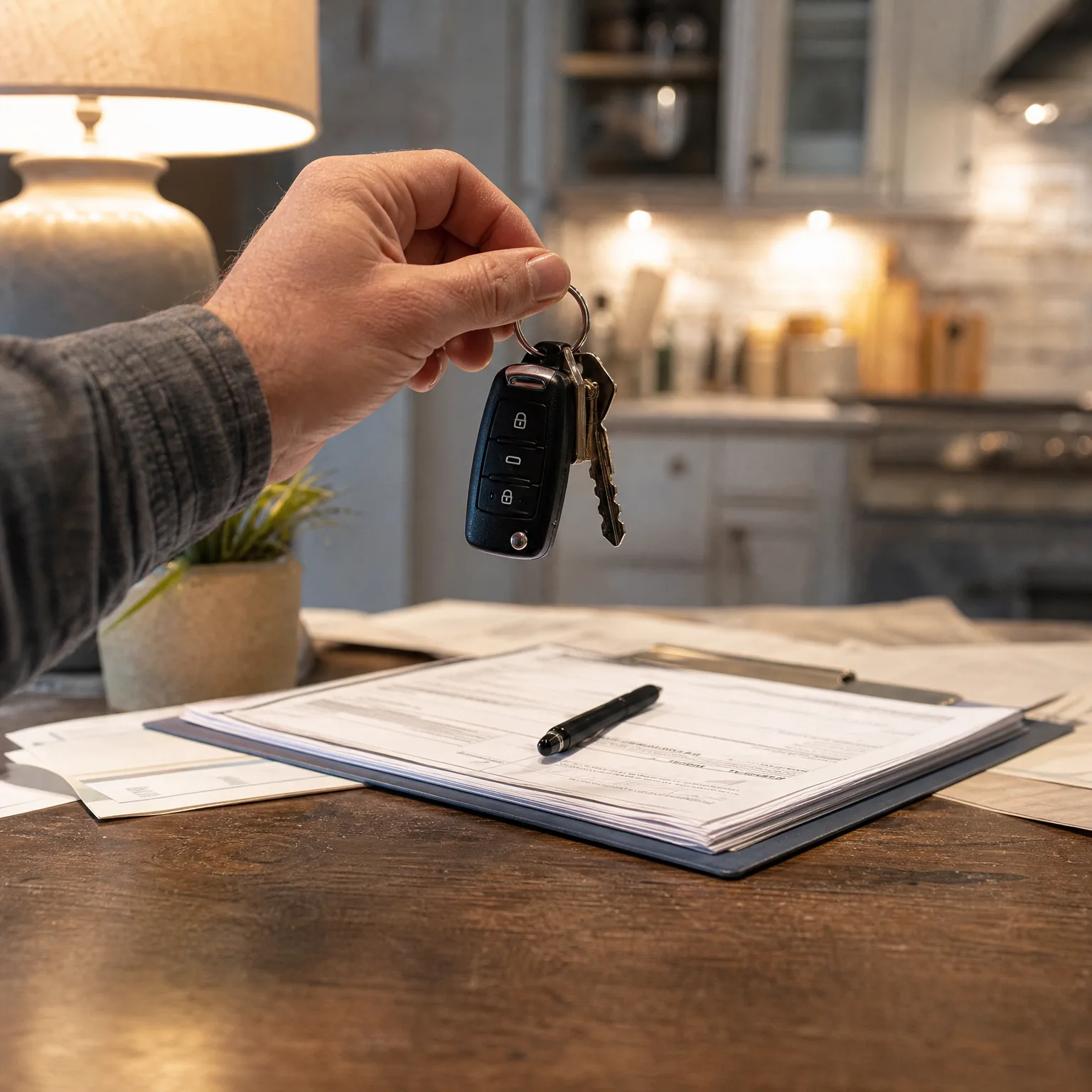
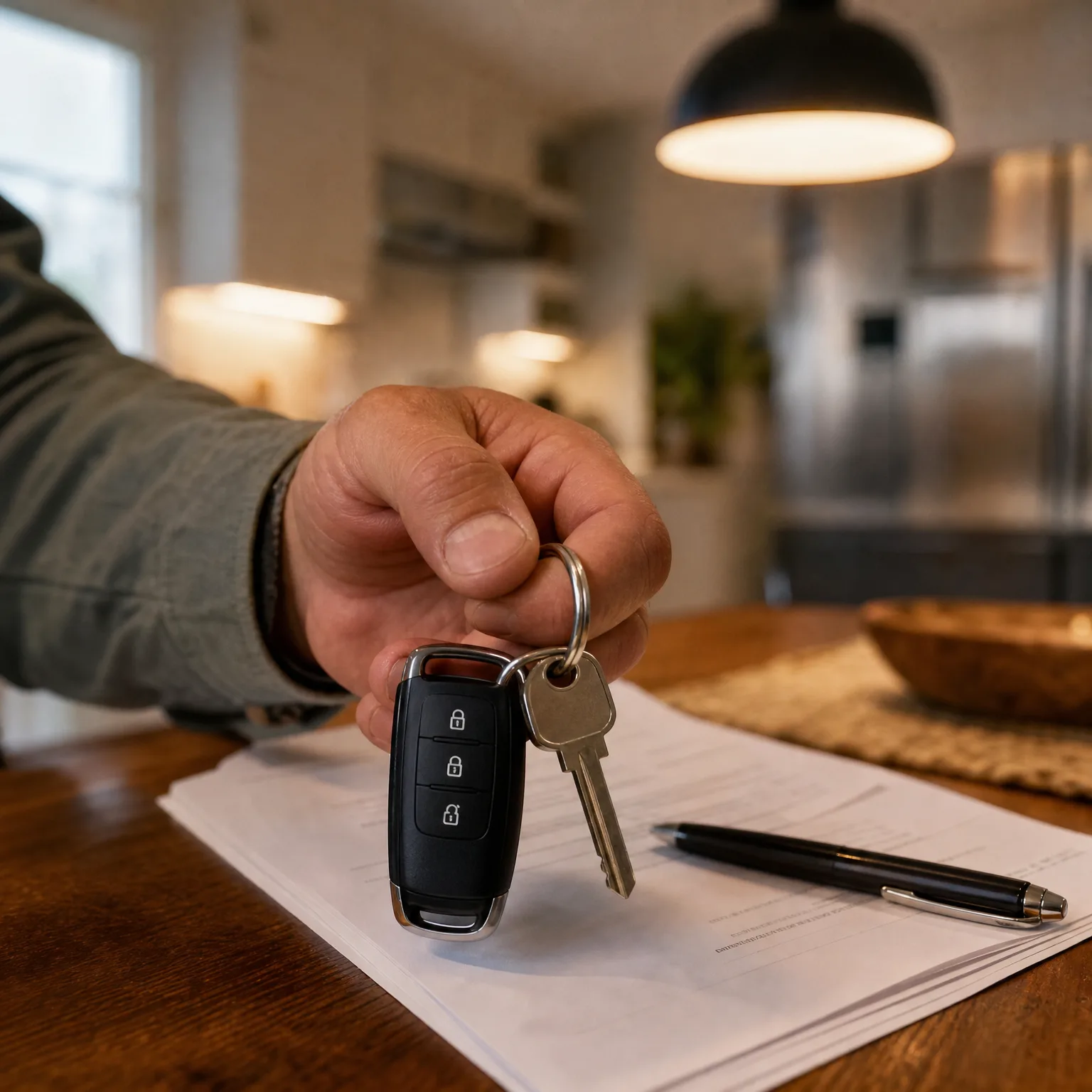
Non-Owner SR-22 Covers Limited License Without a Vehicle
Many drivers assume they cannot get insurance without owning a car. This is incorrect. Non-owner SR-22 policies exist specifically for drivers who need to satisfy SR-22 filing requirements but do not own a vehicle. If your Limited License allows you to drive to work, and your employer provides a company vehicle, a non-owner policy covers your liability exposure while driving that vehicle. If you borrow a family member's car for court-ordered DUI classes, the non-owner policy provides secondary liability coverage behind the vehicle owner's primary policy.
Non-owner SR-22 premiums in Utah typically range from $35 to $65 per month depending on your violation history, age, and county. This is substantially lower than owner SR-22 policies, which also include comprehensive and collision coverage for a specific vehicle. If you do not own a car and do not plan to purchase one during your Limited License period, non-owner SR-22 is the correct product. Carriers that write non-owner SR-22 in Utah include Geico, Progressive, Dairyland, The General, GAINSCO, and USAA for eligible military members.
The SR-22 certificate filed with the DLD does not distinguish between owner and non-owner policies. Both satisfy the state's financial responsibility requirement. The DLD cares only that a valid SR-22 is on file and remains active for the required three-year period.
$340
Utah DUI Reinstatement Fee
After your suspension period ends and you complete all court-ordered programs, you must pay a $340 reinstatement fee to the Utah DLD to restore full driving privileges. This fee is separate from the Limited License petition process and applies only at the end of your suspension when transitioning from restricted to unrestricted driving.
Utah Driver License Division fee schedule
Ignition Interlock Adds a Third Requirement Layer
Utah Code § 41-6a-518 requires ignition interlock device installation for most DUI-related Limited License grants. If your court order includes an IID requirement, you must install the device in any vehicle you drive under the Limited License restriction before the DLD will activate your driving privileges. The IID requirement runs parallel to the SR-22 requirement—you need both.
The installation process adds 3-7 days to your timeline. You schedule installation with a Utah-approved IID vendor, pay the installation fee (typically $75 to $150), and complete calibration. The vendor electronically reports the installation to the DLD. Once the DLD receives both the SR-22 filing and the IID installation confirmation, your Limited License becomes administratively active. If the court order requires IID but you file SR-22 without installing the device, your driving record will still show suspended status. Both conditions must clear before the restriction activates.
Start with SR-22 Coverage to Close the Administrative Gap
The procedural path forward starts with obtaining SR-22 coverage and binding the policy. Once the carrier files electronically with the DLD, monitor your driving record to confirm the Limited License restriction appears. If your court order includes an IID requirement, schedule installation immediately after binding SR-22 coverage. Do not wait for the SR-22 to process before installing the IID—both timelines run in parallel, and delaying either extends the window between court approval and actual driving privileges. Bring your court order, your insurance declarations page, and a current copy of your driving record to your employer or probation officer once both the SR-22 and IID (if required) appear on your DLD record. That packet proves you hold a valid Limited License and are legally authorized to drive under the court-defined restrictions.
What You Need to File SR-22 and Activate Your Limited License
Start by obtaining SR-22 coverage from a carrier licensed to write high-risk auto insurance in Utah. SR-22 insurance functions like standard auto liability coverage but includes the state filing component. If you own a vehicle, you need an owner SR-22 policy covering that vehicle. If you do not currently own a vehicle but need to satisfy the Limited License SR-22 requirement, you need a non-owner SR-22 policy. Non-owner policies provide liability coverage when you drive vehicles you do not own—borrowed cars, rental vehicles, employer-provided vehicles within your court-authorized restriction scope. Carriers writing SR-22 in Utah include Geico, Progressive, Dairyland, Bristol West, The General, and GAINSCO. State Farm writes SR-22 but does not offer non-owner policies in Utah.
Once you bind coverage, the carrier files the SR-22 certificate electronically with the Utah DLD. You do not file it yourself. The carrier transmits the certificate within 1-3 business days, and the DLD updates your record within 24-48 hours of receipt. At that point, your driving record reflects both the underlying suspension and the active Limited License restriction. You should request a copy of your driving record from the DLD after filing to confirm the restriction appears correctly. Bring that printed record, your court order, your insurance declarations page showing SR-22 coverage, and your physical driver's license to your employer, probation officer, or any other entity requiring proof of Limited License status.
Get Your Free Quote
Get My Utah DUI Insurance QuoteFrequently Asked Questions
Do I need SR-22 insurance if I have a Utah Limited License?
Yes. Utah requires SR-22 financial responsibility certification for DUI and serious violations regardless of Limited License status. The court grants restricted driving privileges; the DLD requires proof of liability coverage through SR-22 filing. Without an active SR-22 on file, your driving record remains suspended even if you hold a valid court order.
Can I get SR-22 insurance without owning a car in Utah?
Yes. Non-owner SR-22 policies provide liability coverage when driving vehicles you do not own and satisfy Utah's SR-22 filing requirement. Non-owner SR-22 premiums typically range from $35 to $65 per month. Carriers writing non-owner SR-22 in Utah include Geico, Progressive, Dairyland, The General, and GAINSCO.
How long does it take for SR-22 to activate my Limited License?
Most carriers electronically file SR-22 certificates with the Utah DLD within 1-3 business days of binding coverage. The DLD updates your driving record within 24-48 hours of receiving the filing. Your Limited License restriction becomes administratively active once the SR-22 appears on your record—typically 3-5 business days total from policy binding.
Does my employer need to see my SR-22 certificate?
Provide your employer with three documents: the court order granting your Limited License, your insurance declarations page showing SR-22 coverage, and a current copy of your Utah driving record showing the restriction is active. Most HR departments require all three to verify you are legally authorized to drive under restriction.
What happens if my SR-22 lapses during my Limited License period?
Your insurance carrier notifies the Utah DLD immediately if your SR-22 coverage lapses or cancels. The DLD suspends your driving privileges automatically, and your Limited License becomes void until you refile SR-22 and petition the court again. A lapse also restarts your three-year SR-22 filing period from the date you refile.
Do I need ignition interlock for a Utah Limited License after DUI?
Most Utah DUI-related Limited License orders require ignition interlock device installation per Utah Code § 41-6a-518. You must install the IID and file SR-22 before the DLD activates your restricted driving privileges. Check your court order for the specific IID requirement—if present, schedule installation immediately after binding SR-22 coverage.