
Getting Insured After DUI and Accident — Utah
Free to compare
Two Violations, One Record
You were involved in an accident, and during the investigation you were arrested for DUI. Now both violations sit on your driving record simultaneously, and every carrier you've contacted either declines outright or quotes a monthly premium higher than your car payment. Utah's dual-track suspension system means you may be facing both a court-imposed suspension from the DUI conviction and an administrative suspension from the Driver License Division for failing the BAC threshold — Utah's 0.05% limit is the lowest in the nation. The two tracks don't cancel each other out; they run in parallel.
The insurance market treats DUI-plus-accident differently than a standalone DUI or a standalone at-fault accident. You're not just non-standard; you're compounded non-standard. Carriers that write DUI cases may still decline when an accident appears on the same record within the same six-month window. This article walks the specific path to coverage when both violations land together, clarifies which reinstatement track determines your SR-22 obligation, and names the carriers writing Utah policies for drivers in your exact position.
“The accident and DUI together push you past the underwriting threshold most standard carriers will write — even those that accept one violation typically decline both within six months.”

Compare Utah Rates for Drivers With a DUI
Get My Utah DUI Insurance Quote$340
Utah DUI Reinstatement Fee
This is the base reinstatement fee for DUI-triggered suspension in Utah, separate from any court fines, SR-22 filing fees, or ignition interlock program costs. The total cost to restore your license will exceed this figure by a substantial margin.
Utah Driver License Division fee schedule
Court Track vs Administrative Track
Utah operates a dual-track suspension system. The court imposes a judicial suspension when you're convicted of DUI in criminal proceedings. The Driver License Division imposes an administrative suspension immediately upon arrest if your BAC meets or exceeds 0.05% — no conviction required. Both suspensions can run concurrently for the same incident, and each has its own reinstatement pathway.
SR-22 filing is required for reinstatement following a DUI conviction under the court track. The administrative per se suspension under Utah Code 53-3-223 also typically requires SR-22 for reinstatement, but the filing obligation is triggered by the conviction or the administrative hearing outcome, not automatically at arrest. If your administrative suspension was imposed but your DUI case is still pending or was reduced to a lesser charge, your SR-22 obligation may not yet be in effect. Contact the Driver License Division directly to confirm which track has triggered the SR-22 requirement in your specific case.
The accident complicates your position further. If the accident resulted in property damage above Utah's reporting threshold or bodily injury, and if you were cited for the accident separately from the DUI, you may face an additional point accumulation on your record. Points don't directly trigger SR-22, but they compound your risk tier in the eyes of carriers. The combination of DUI, accident, and potential points accumulation places you in the highest non-standard underwriting bucket most carriers offer.
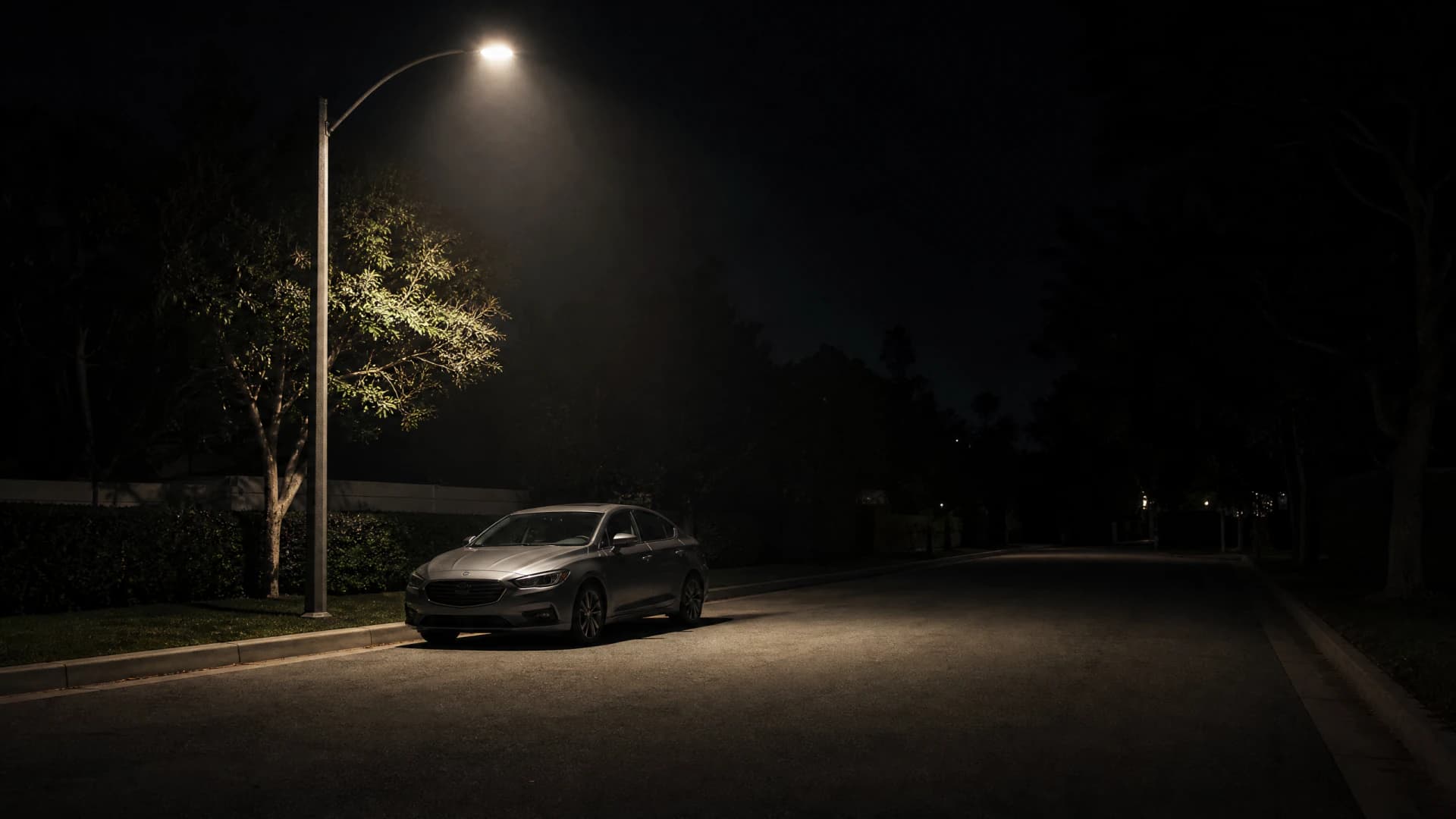
The accident and DUI together push you past the underwriting threshold most standard carriers will write — even carriers that accept one violation typically decline when both appear within six months of each other.


Non-Owner SR-22 When You Don't Have a Vehicle
If you sold your vehicle after the DUI or the accident totaled your car and you haven't replaced it, you still need insurance to satisfy Utah's SR-22 reinstatement requirement. A non-owner SR-22 policy provides liability coverage when you drive a vehicle you don't own — borrowed cars, rental cars, or occasional use of a household member's vehicle. The policy does not cover a vehicle titled in your name; it's designed exclusively for drivers without vehicle ownership.
Non-owner SR-22 policies are significantly cheaper than standard auto policies because they carry no collision or comprehensive exposure and cover only your liability when driving someone else's vehicle. Carriers writing non-owner SR-22 in Utah include Dairyland, The General, Progressive, Geico, and USAA (if you're military-affiliated). Premiums for non-owner SR-22 after DUI-plus-accident still reflect your violation history, but the base premium is lower because there's no insured vehicle.
The SR-22 certificate filed with a non-owner policy satisfies Utah's reinstatement requirement identically to an SR-22 filed with a standard auto policy. The Driver License Division does not distinguish between the two. If your license is suspended and you don't own a car, non-owner SR-22 is the correct product — do not let a carrier push you toward a standard policy on a vehicle you don't have just to write higher premium.
3 years
Utah SR-22 Filing Period
Utah requires continuous SR-22 filing for three years following DUI conviction. The clock starts from your conviction date, not your filing date. Any lapse in coverage during this period — even one day — resets the three-year requirement from the date you refile, and your license will be suspended again until the new SR-22 is on file.
Utah insurance reinstatement statute
Ignition Interlock Requirement
Utah generally requires ignition interlock device installation for DUI-related license reinstatement. The court orders IID installation as a condition of your Limited License (Utah's term for hardship license) or full reinstatement, and the Driver License Division enforces the requirement. You cannot complete reinstatement without proof of IID installation and compliance if the court has ordered it.
IID costs are separate from your insurance premium and SR-22 filing fee. Installation typically runs $75 to $150, and monthly monitoring fees range from $60 to $90. The duration of IID requirement depends on your offense level — first-time DUI typically requires IID for the duration of your Limited License period or until full reinstatement; repeat offenses carry longer mandated periods. These costs stack on top of your non-standard insurance premium, SR-22 filing fee, reinstatement fee, and DUI education course fees. Budget for the full reinstatement cost structure before committing to a payment plan on any single component.
Compare Rates Across the Non-Standard Market
You're paying non-standard rates no matter which carrier writes your policy, but the spread between the highest and lowest quote can exceed $100 per month even within the same risk tier. Carriers price DUI-plus-accident differently — one may weight the DUI more heavily, another may weight the accident more heavily, and their underwriting models don't align. Request quotes from Bristol West, Dairyland, The General, Progressive, and National General at minimum. Provide identical coverage selections across all five quotes so you're comparing equivalent policies.
Utah requires minimum liability limits of $25,000 per person, $65,000 per accident for bodily injury, and $15,000 for property damage, plus personal injury protection coverage. Do not drop below state minimums to lower your premium — your SR-22 certificate is void if your policy doesn't meet Utah's required minimums, and the Driver License Division will suspend your license again the moment your carrier notifies them of the deficiency. If the lowest quote still exceeds your budget, adjust your deductible or explore payment plan options before reducing coverage limits.
Which Carriers Write DUI-Plus-Accident in Utah
Bristol West writes non-standard auto in Utah and explicitly accepts SR-22 filings, DUI cases, and at-fault accidents. They operate in Utah's non-standard tier and offer online quotes, though final approval depends on underwriting review of the full violation record. Dairyland specializes in high-risk drivers and writes SR-22, non-owner SR-22, and post-DUI policies in Utah. They accept compounded violations and operate primarily through independent agents, though online quote paths are available. The General operates in Utah's non-standard market and writes SR-22 policies for drivers with DUI and accident records. They offer online quotes and have a dedicated SR-22 filing infrastructure.
Progressive writes both standard and non-standard policies in Utah and accepts SR-22 filings for DUI and accident cases. While they tier aggressively — meaning your premium will reflect both violations — they do not automatically decline compounded records. Geico writes non-standard policies in Utah through their non-standard underwriting arm and accepts SR-22 filings, though approval for compounded violations is case-by-case. National General operates in Utah and writes post-DUI and post-accident policies with SR-22 filing capability. Request quotes from at least three of these carriers — premiums vary significantly even within the non-standard tier, and the carrier offering the lowest rate for a standalone DUI may not be the lowest for DUI-plus-accident.
Get Your Free Quote
Get My Utah DUI Insurance QuoteFrequently Asked Questions
Do I need SR-22 if my DUI case is still pending in court?
SR-22 filing is required for reinstatement following DUI conviction or after an administrative hearing upholds your suspension. If your criminal case is pending and the administrative suspension has not yet been finalized, your SR-22 obligation may not be in effect. Contact the Utah Driver License Division to confirm your current filing requirement based on your suspension status.
Can I get insurance if I was declined by three carriers already?
Declinations from standard carriers do not mean you're uninsurable. Non-standard carriers like Bristol West, Dairyland, and The General specialize in DUI-plus-accident cases and operate in a different underwriting tier. Request quotes from carriers confirmed to write compounded violations rather than reapplying to standard-market carriers that have already declined.
Does the accident make my SR-22 requirement longer than three years?
No. Utah's SR-22 filing period is three years for DUI regardless of additional violations on the same record. The accident affects your premium and risk tier but does not extend the mandated filing period beyond the three-year DUI requirement.
What happens if I let my SR-22 lapse during the three-year period?
Any lapse in coverage during your SR-22 filing period — even one day — triggers automatic license suspension and resets the three-year clock from the date you refile. Your carrier is required to notify the Driver License Division immediately when your policy cancels or lapses. You'll pay reinstatement fees again and restart the three-year period.
Can I use a non-owner SR-22 policy to satisfy Utah reinstatement if I own a car titled in someone else's name?
No. Non-owner SR-22 policies explicitly exclude coverage for vehicles titled in your name or vehicles you have regular access to. If you're driving a vehicle titled in a household member's name regularly, you need to be listed as a driver on a standard auto policy covering that vehicle, with SR-22 filed on that policy.
Do I need to maintain insurance during my suspension period even if I'm not driving?
Utah requires continuous SR-22 filing from the date the Driver License Division orders it, even during suspension. If you don't own a vehicle and are not driving during suspension, a non-owner SR-22 policy satisfies this requirement. Letting coverage lapse extends your suspension and resets your filing clock.