
Proof of Insurance After DUI — Utah
Free to compare
What Utah Courts Actually Accept as Proof
You've been convicted of DUI in Utah and the court order says you need proof of insurance. You pull out your insurance card, assume that's what they mean, and discover at the DMV counter that it's not accepted. Utah requires an SR-22 financial responsibility certificate filed directly by your insurance carrier to the Driver License Division — your standard proof-of-insurance card does not satisfy the requirement.
The SR-22 is not insurance. It's a state-mandated form your carrier files electronically with the Utah DLD certifying you carry at least the state minimum liability coverage: $25,000 per person for bodily injury, $65,000 per accident, and $15,000 for property damage. That filing requirement lasts 3 years from your conviction date under Utah statute. If your policy lapses at any point during those 3 years, the carrier notifies the DLD within 10 days and your license is suspended again immediately.
“The SR-22 filing creates a notification system that alerts the DLD the moment coverage stops, which is why Utah statute mandates it for high-risk violations.”

Compare Utah Rates for Drivers With a DUI
Get My Utah DUI Insurance Quote$340
Utah DUI Reinstatement Fee
This is the base fee to reinstate your license after a DUI suspension in Utah, separate from the SR-22 filing fee your carrier charges. You pay this fee to the Driver License Division only after completing all court-ordered requirements including DUI school and SR-22 filing.
Utah Driver License Division fee schedule
Why Your Standard Insurance Card Won't Work
Standard proof-of-insurance cards confirm you have a policy. SR-22 certificates confirm you have a policy and notify the state when that policy ends. The difference matters because Utah's administrative per se law under Utah Code 53-3-223 creates a dual-track system: the court imposes a criminal suspension upon DUI conviction, and the Driver License Division administers a separate administrative suspension triggered by your arrest if your BAC was 0.05% or higher.
Both tracks require SR-22 filing to lift the suspension. The DLD will not process your reinstatement application without the SR-22 on file, and the court will not sign off on completion of your sentence without proof the filing is active. Your insurance card shows coverage exists today. The SR-22 filing creates a notification system that alerts the DLD the moment coverage stops, which is why Utah statute mandates it for high-risk violations.
Utah lowered its BAC threshold to 0.05% in December 2018, the lowest in the nation. This change increased DUI-triggered suspensions and corresponding SR-22 filing requirements, making the distinction between standard proof and SR-22 filing more critical than in states with higher thresholds.
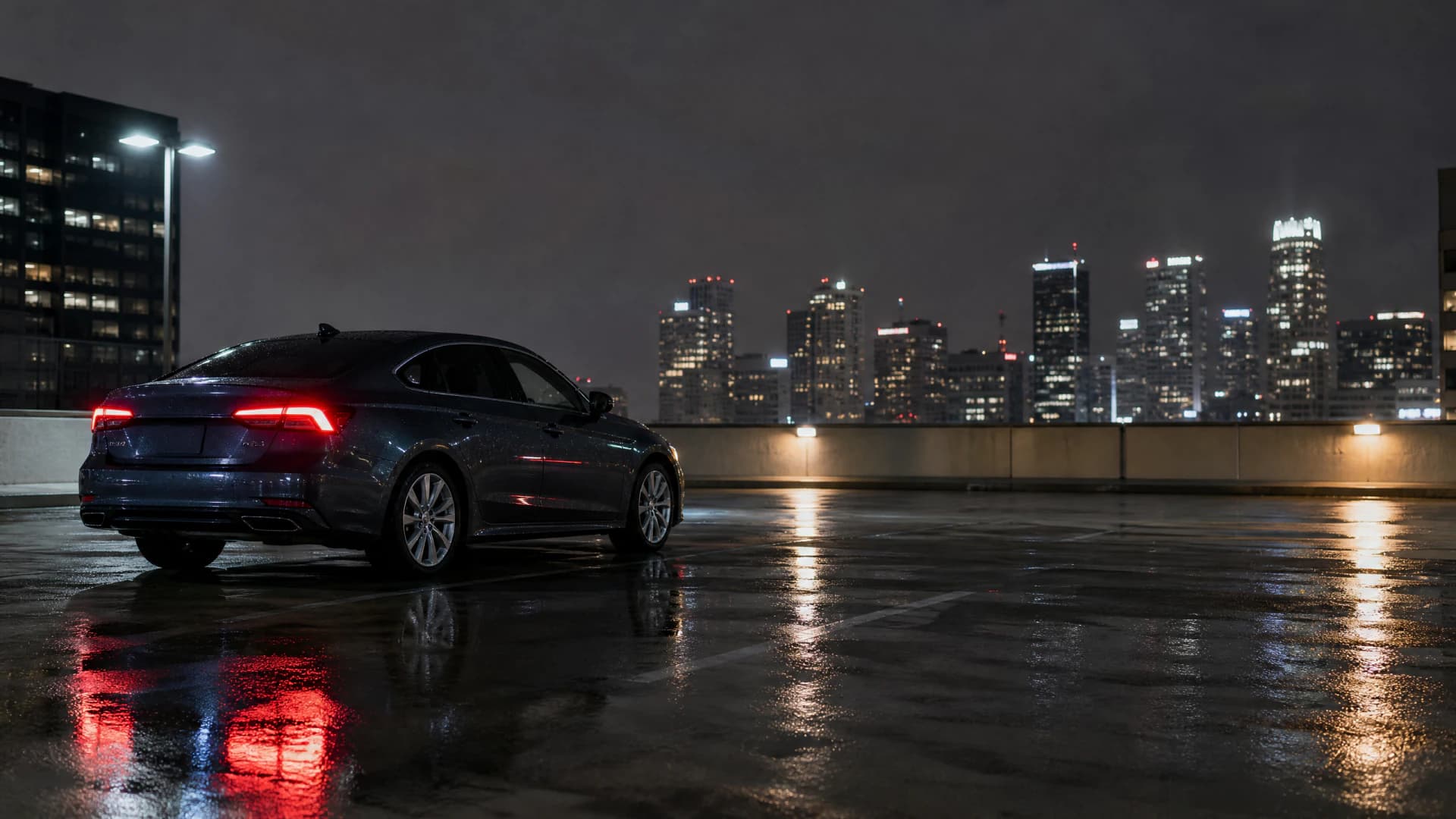
The DLD will not reinstate your license until your carrier has filed the SR-22 electronically and it appears in the state's system — typically 1-3 business days after your carrier submits it.




SR-22 Filing and Limited License Interaction
Utah offers a Limited License program that allows restricted driving during your suspension period. The Limited License is entirely court-controlled under Utah Code 53-3-220, not administered by the DLD. You petition the court, and if granted, the court sets the terms: specific hours, specific routes, specific purposes such as work, school, medical appointments, and court-ordered programs.
SR-22 filing is required before the court will approve a Limited License petition following DUI suspension. The court wants proof you can maintain continuous coverage before granting driving privileges, even restricted ones. Ignition interlock device installation is also required for DUI-related Limited Licenses in Utah — the court will specify the IID requirement in its order, and you must complete installation through a state-approved vendor before the Limited License becomes active.
The DLD administers the underlying suspension but plays a limited role in the Limited License process. The court issues the order; the DLD reflects that order on your driving record. If you violate the terms of the Limited License by driving outside approved hours or routes, the court can revoke it immediately and you return to full suspension status. Because outcomes vary significantly by county and judge in Utah's court-controlled system, consult a DUI attorney familiar with your county's practices before filing a petition.
3 years
Utah SR-22 Filing Period
Utah requires SR-22 filing for 3 years after a DUI conviction, measured from the conviction date. If your policy lapses at any point during those 3 years, the carrier notifies the DLD and your license is suspended again. The 3-year clock does not reset if you switch carriers, but it does reset if you incur a new high-risk violation during the filing period.
Utah statute governing SR-22 duration for DUI violations
What Happens If You Let Coverage Lapse
Utah carriers are required to report policy cancellations and lapses to the DLD electronically through the state's insurance verification system. When your carrier cancels your policy or you stop paying premiums, the carrier files an SR-26 form notifying the state the SR-22 is no longer in effect. The DLD issues a notice of suspension, and your license is suspended immediately — typically within 10 days of the lapse.
There is no grace period. The suspension is automatic and you cannot drive legally until you reinstate coverage, obtain a new SR-22 filing from a carrier, and pay a reinstatement fee to the DLD. If you're pulled over during the lapse period, you face additional penalties including fines, extended suspension, and possible jail time for driving on a suspended license. Utah Code 41-12a-301 governs insurance lapse suspensions and the consequences apply even if the lapse was unintentional.
Get SR-22 Coverage That Sticks
SR-22 filing is not a one-time task. It's a 3-year compliance requirement where continuous coverage matters more than the initial filing. Carriers that specialize in high-risk auto insurance understand DUI drivers' situations and build policies that accommodate payment flexibility and reinstatement needs. Compare carriers writing SR-22 in Utah, get quotes that reflect your actual risk profile, and choose a policy you can maintain for the full 3-year period. Switching carriers mid-term is allowed as long as there is no coverage gap, but letting the policy lapse resets the entire reinstatement process and adds new fees and suspension time. Start your comparison now and get the SR-22 filed before your court deadline or DLD reinstatement window closes.
How to Get SR-22 Filed in Utah
Contact your current auto insurance carrier and ask for SR-22 filing. Some carriers drop DUI drivers immediately; others will add SR-22 filing to your existing policy for a one-time fee typically between $15 and $50. If your carrier drops you or refuses to file SR-22, you need a new policy with a carrier that writes high-risk auto insurance in Utah. Carriers confirmed to write SR-22 in Utah include Geico, Progressive, State Farm, Bristol West, Dairyland, The General, and GAINSCO.
Once you purchase a policy, the carrier files the SR-22 electronically with the Utah DLD. The filing appears in the state's system within 1-3 business days. You do not need to visit a DMV office to submit paperwork — the carrier handles the entire filing process. If you do not own a vehicle, request a non-owner SR-22 policy, which satisfies the filing requirement without insuring a specific car. Non-owner policies are typically cheaper and cover you when driving borrowed or rental vehicles.
Get Your Free Quote
Get My Utah DUI Insurance QuoteFrequently Asked Questions
Can I get SR-22 insurance if I don't own a car in Utah?
Yes. Request a non-owner SR-22 policy from carriers writing high-risk coverage in Utah. Non-owner policies satisfy the state's SR-22 filing requirement without insuring a specific vehicle and cover you when driving borrowed or rental cars. Premiums are typically lower than standard policies because the carrier is not insuring a vehicle.
How long does it take for SR-22 filing to show up in Utah's system?
SR-22 filings appear in the Utah Driver License Division system within 1-3 business days after your carrier submits the form electronically. You can verify the filing by calling the DLD or checking your online driver record. Do not attempt reinstatement until the filing is confirmed active in the state's database.
Does SR-22 filing automatically reinstate my license in Utah?
No. SR-22 filing is one required document for reinstatement, but you must also complete DUI school, pay the $340 reinstatement fee, install an ignition interlock device if ordered, and satisfy any other court-imposed conditions before the DLD will reinstate your license. The SR-22 proves you have insurance; it does not lift the suspension on its own.
What happens if I move out of Utah during my SR-22 filing period?
Your 3-year SR-22 filing requirement follows you. Contact the new state's DMV or licensing agency to determine whether they recognize Utah's SR-22 filing or require a new filing under their own rules. Most states honor out-of-state SR-22 filings, but some require you to obtain a new policy and filing in your new state of residence. Letting coverage lapse during the move triggers suspension in both states.
Can I switch insurance carriers during my SR-22 filing period in Utah?
Yes, but there cannot be any gap in coverage. Obtain the new policy and SR-22 filing before canceling your current policy. If the DLD receives an SR-26 lapse notification before the new SR-22 filing is active, your license will be suspended immediately and you will pay reinstatement fees again.
How much does SR-22 insurance cost in Utah after a DUI?
Monthly premiums for SR-22 policies in Utah after DUI typically range from $150 to $300 per month, depending on your age, driving history, vehicle, and coverage selections. The SR-22 filing fee itself is a one-time charge of $15 to $50 added by the carrier. Non-owner SR-22 policies are typically cheaper because they do not insure a specific vehicle.