
Lower DUI Insurance Costs — Utah
Free to compare
You're Not Locked Into Your First Post-DUI Carrier
The day your Utah license was reinstated, you needed SR-22 coverage immediately. You went with the first carrier that would write you, accepted the premium, and assumed you'd ride it out for three years. Most Utah drivers in your position make that same assumption.
The structural reality: SR-22 is a state filing requirement, not a carrier contract. Utah Code § 41-12a-303.5 requires continuous financial responsibility certification for three years from your DUI conviction date. The certificate itself must remain active. The carrier issuing it does not. You can switch insurers as many times as necessary during those three years without restarting the clock, as long as coverage never lapses.
“SR-22 is a state filing requirement, not a carrier contract — you can switch insurers mid-filing without restarting the clock.”

Compare Utah Rates for Drivers With a DUI
Get My Utah DUI Insurance Quote3 years
Utah SR-22 Filing Period
Utah requires SR-22 filing for three years after a DUI conviction, measured from conviction date under Utah Code § 41-12a-303.5. The clock does not restart when you switch carriers mid-filing as long as the new policy begins the same day the old one ends.
Utah Code Ann. § 41-12a-303.5
Why Your Premium Is Higher Than It Has to Be
Non-standard carriers write high-risk drivers when preferred and standard-tier carriers will not. That market position gives them pricing power immediately after your suspension lifts. You needed coverage that day. They knew it.
Six months later, your situation has changed structurally. You have an active SR-22 filing. You have demonstrated continuous coverage with zero lapses. You have proof of ignition interlock compliance if required. Those facts make you a measurably lower risk than you were the day after reinstatement, but your current carrier has no incentive to reprice you voluntarily.
Carriers that declined to write you at reinstatement will reconsider you now. Standard-tier carriers with DUI programs evaluate post-reinstatement drivers differently than newly convicted drivers. The premium difference between a non-standard carrier that wrote you immediately and a standard-tier carrier willing to write you six months later often exceeds 30%, even with identical coverage limits.

Your current carrier will not volunteer a lower rate. You stay at the reinstatement-day premium until you shop.




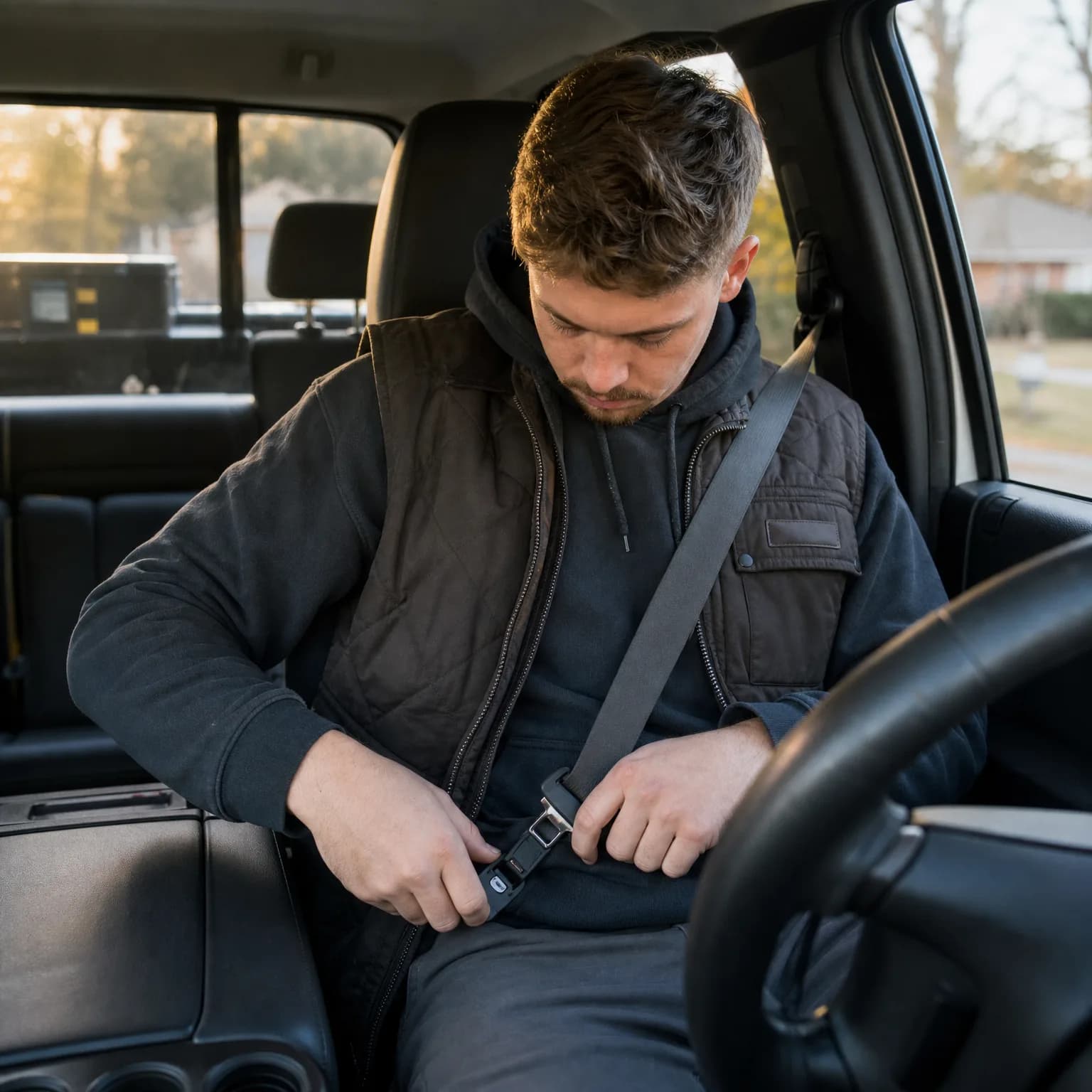


Which Carriers Write Post-DUI Drivers in Utah
Geico, Progressive, State Farm, and The General explicitly write SR-22 policies for Utah DUI drivers. Dairyland, Bristol West, GAINSCO, and National General specialize in non-standard and post-violation coverage. Each evaluates your file differently based on time since conviction, ignition interlock compliance, and whether you completed alcohol education requirements.
Standard-tier carriers like Geico and Progressive typically require 6 to 12 months of post-reinstatement driving with zero incidents before they will quote you competitively. Non-standard specialists like Dairyland and Bristol West write you immediately but charge higher premiums. The pricing gap between these two groups narrows as your clean driving period lengthens. At 6 months post-reinstatement, the standard-tier quote often undercuts the non-standard carrier you started with.
Request quotes from at least four carriers every six months during your SR-22 filing period. Your risk profile improves with each clean month. Carriers reprice that improvement only when you force them to compete for your business.
$30
Utah License Reinstatement Fee
Utah charges a $30 base reinstatement fee when your license is restored after suspension, separate from SR-22 filing fees and DUI-related program costs. Total reinstatement costs for DUI-related suspensions typically exceed $340 when education, interlock, and filing fees are included.
Utah Driver License Division fee schedule

When Shopping Cuts Premiums Most
The largest premium reductions happen at three specific windows: 6 months post-reinstatement, 12 months post-reinstatement, and 24 months post-conviction. Each window represents a threshold where standard-tier carriers recalculate your risk category.
At 6 months, you have demonstrated ignition interlock compliance and zero lapses. Standard-tier carriers with DUI programs begin quoting competitively. At 12 months, your SR-22 filing is one-third complete and your clean driving record post-reinstatement makes you statistically less likely to reoffend. Carriers move you into lower-risk pricing tiers. At 24 months, you are within one year of SR-22 filing completion. Some carriers price you closer to standard-risk drivers than high-risk drivers at this point, especially if your only violation remains the original DUI with no new incidents.
Get Quotes That Reflect Your Current Position
Utah drivers with active SR-22 filings can compare SR-22 carriers that write post-DUI policies statewide. You provide your conviction date, current coverage limits, and reinstatement status. Carriers quote based on your file as it stands today, not as it stood the day after your suspension lifted. The quote you accept now determines what you pay for the next six months. Shop again at that six-month mark. Your premium should drop each time your clean driving record lengthens.
How Switching Carriers Works With Active SR-22
You request quotes from carriers writing post-DUI drivers in Utah. Provide your current policy declarations page, your SR-22 certificate, and your DUI conviction date. Carriers evaluate you based on time since conviction, current driving record, and compliance history. You select the lowest premium that meets Utah's minimum liability requirements: $25,000 per person, $65,000 per accident for bodily injury, $15,000 property damage, plus required Personal Injury Protection coverage. The new carrier files SR-22 electronically with the DLD the day your new policy starts.
Your old carrier cancels your policy and notifies the DLD that your SR-22 filing with them has ended. The new carrier's SR-22 filing begins the same day. The DLD sees continuous certification with zero gap. Your three-year filing clock never stops. You receive a new SR-22 certificate from the new carrier within 5 business days, but the electronic filing happens immediately. Keep proof of continuous coverage for your records.
Get Your Free Quote
Get My Utah DUI Insurance QuoteFrequently Asked Questions
Does switching carriers restart my Utah SR-22 filing period?
No. Utah requires three years of continuous SR-22 filing from your DUI conviction date. Switching carriers during that period does not restart the clock as long as your new policy begins the same day your old policy ends, maintaining zero gap in coverage.
How much can I save by switching SR-22 carriers in Utah?
Premium reductions vary by driving record and time since reinstatement, but Utah drivers switching from non-standard to standard-tier carriers after 6 to 12 months of clean post-DUI driving typically see reductions of 20% to 40% on identical coverage limits.
Which carriers in Utah write SR-22 policies for DUI drivers?
Geico, Progressive, State Farm, The General, Dairyland, Bristol West, GAINSCO, and National General all write SR-22 policies for Utah DUI drivers. Standard-tier carriers like Geico and Progressive typically require 6 to 12 months post-reinstatement before quoting competitively.
How often should I shop for SR-22 quotes in Utah?
Request quotes every six months during your SR-22 filing period. Your risk profile improves with each clean driving month, and carriers reprice that improvement only when competing for your business.
Will my old carrier notify Utah when I switch SR-22 policies?
Yes. Your old carrier electronically notifies the Utah Driver License Division when your policy cancels. Your new carrier files SR-22 electronically the same day your new policy begins. The DLD sees continuous certification with zero gap.
Can I lower my SR-22 premium without switching carriers?
Most carriers will not voluntarily reprice your SR-22 policy as your risk profile improves. Shopping competing carriers every six months forces them to offer their best rate. Loyalty does not produce premium reductions in the high-risk market.
What happens if my SR-22 coverage lapses in Utah?
Utah suspends your license immediately upon receiving notice of SR-22 lapse. Your three-year filing period restarts from the date you refile SR-22 and reinstate your license. Reinstatement requires paying the suspension fee and filing new SR-22 before driving legally.