
Progressive SR-22 After DUI — Utah
Free to compare
Progressive Advertises SR-22 but Denies DUI Drivers
You check Progressive's website and confirm they file SR-22 in Utah. You call for a quote and the agent takes your information. Three days later you receive a denial letter citing your DUI conviction as the reason Progressive will not write your policy. The SR-22 filing capability Progressive advertises does not override their underwriting guidelines, which frequently exclude drivers with recent DUI convictions regardless of state.
This disconnect appears across multiple standard and preferred-tier carriers in Utah. State Farm files SR-22 but often declines DUI applicants. Farmers advertises SR-22 service but sends many post-DUI drivers to declination. The SR-22 filing is a clerical function separate from the underwriting decision to accept your risk. A carrier can file SR-22 certificates and still refuse to insure you after a DUI.
“Progressive's SR-22 filing capability does not override underwriting guidelines that exclude DUI drivers — advertised service does not guarantee approval.”

Compare Utah Rates for Drivers With a DUI
Get My Utah DUI Insurance Quote$340
Utah DUI Reinstatement Fee
Utah's base reinstatement fee for DUI revocation is $30 per Utah DLD fee schedule, but total costs including ignition interlock program fees, DUI school, and administrative charges typically reach $340 or more before you can restore driving privileges.
Utah Driver License Division reinstatement fee schedule
Utah Requires SR-22 for Three Years After DUI
Utah Code requires SR-22 financial responsibility certificates for three years following DUI conviction, measured from the conviction date. The filing must remain active and uninterrupted for the entire period. A single lapse — even one day — restarts the three-year clock and triggers new suspension. You cannot shorten this window by paying fines early, completing DUI education ahead of schedule, or maintaining a clean driving record during the filing period.
The Driver License Division cross-references insurer data electronically. When your carrier cancels your policy or you drop coverage, the DLD receives notification within days and issues a new suspension notice. Most drivers discover the lapse only when pulled over or when attempting to renew registration. The three-year requirement applies regardless of which carrier writes your policy, whether you own a vehicle, and whether you drive daily or rarely.
Progressive's underwriting denial does not exempt you from the SR-22 requirement. The state does not adjust filing rules based on carrier availability. You must find a carrier willing to write post-DUI coverage and file SR-22 on your behalf, or your license remains revoked until you do.
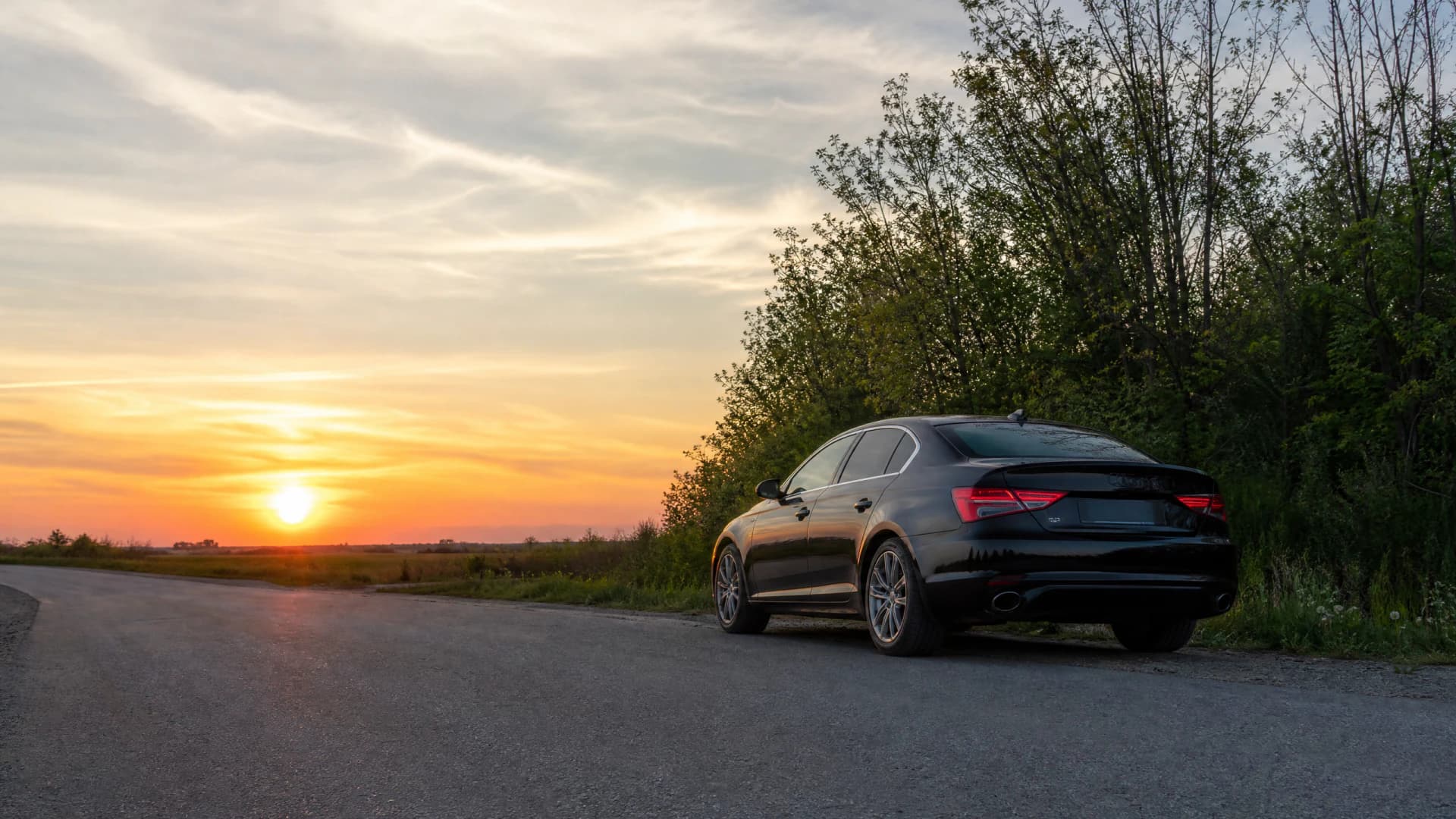
Progressive's SR-22 filing capability does not guarantee policy approval — underwriting guidelines override service availability, leaving DUI drivers with declination letters despite advertised SR-22 support.



Non-Owner SR-22 Covers Drivers Without Vehicles
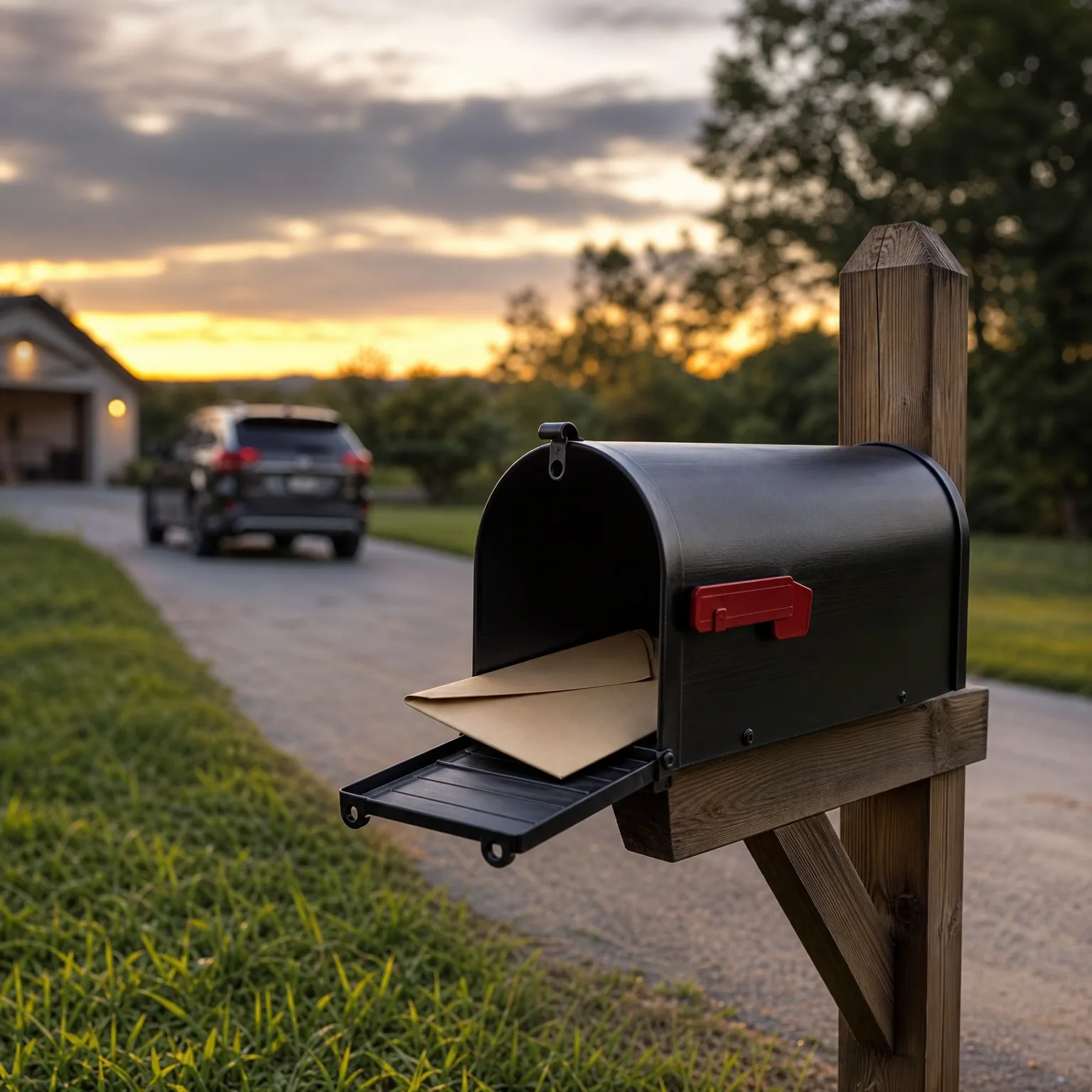
If you sold your car after the DUI or cannot afford to own a vehicle during the SR-22 period, a non-owner SR-22 policy satisfies Utah's filing requirement without insuring a specific vehicle. The policy provides liability coverage when you drive borrowed or rented cars and files the required SR-22 certificate with the Driver License Division. Monthly premiums for non-owner SR-22 in Utah run $60–$120, roughly half the cost of standard owner policies.
Geico, USAA, Dairyland, The General, and GAINSCO all write non-owner SR-22 policies in Utah. USAA restricts eligibility to military members and their families but offers the lowest non-owner rates in the state for qualified applicants. Dairyland and The General approve most non-owner SR-22 applications regardless of DUI history. The non-owner policy does not cover vehicles you own, vehicles registered in your name, or vehicles you drive regularly — it functions strictly as proof-of-financial-responsibility coverage to satisfy state filing requirements.
Switching from a non-owner policy to a standard owner policy mid-filing period does not restart the three-year SR-22 clock, but the filing must transfer without any gap in coverage. Most carriers handle the transfer internally if you remain with the same insurer. Switching carriers mid-period requires the new carrier to file SR-22 before the old carrier cancels, or the lapse triggers new suspension.
$180–$270/mo
Non-Standard DUI Premium Range
Non-standard carriers writing post-DUI coverage in Utah charge $180–$270/month for state-minimum liability plus SR-22 filing, compared to $85–$140/month for clean-record drivers in the standard market. The rate gap reflects DUI risk classification and persists for the full three-year filing period.
Utah carrier rate filings and underwriting tier structures
Limited License Allows Work Driving During Suspension
Utah offers a court-issued Limited License that permits essential driving during the DUI suspension period. The license is not administered by the Driver License Division — you petition the court that handled your DUI case, and the judge sets the terms. Typical grants allow driving to work, school, medical appointments, and court-ordered programs such as DUI education or substance abuse treatment. The court defines specific routes, hours, and days; deviation from those terms triggers revocation and possible additional charges.
Limited License eligibility requires SR-22 filing and ignition interlock device installation in any vehicle you operate. The court will not grant the license without proof of both. Processing time varies by county and judge, but most petitions resolve within 30–45 days of filing if documentation is complete. Salt Lake County and Utah County courts process higher volumes and may extend that window. Smaller counties sometimes rule within two weeks. The Limited License costs nothing beyond court filing fees, typically $35–$50, but the ignition interlock requirement adds $75–$125/month in device rental and calibration fees for the duration of the suspension.
The Limited License does not shorten the underlying suspension period or the three-year SR-22 requirement. It provides conditional driving privileges during suspension, but the SR-22 filing must continue for three years from conviction date regardless of when the suspension ends. If your suspension lasts 120 days and you receive a Limited License after 30 days, you still owe SR-22 for three years from conviction, not from Limited License issuance.
Compare Carriers Before Filing Deadlines Hit
Utah's Driver License Division does not extend filing deadlines because a preferred carrier declined your application. If Progressive denies your DUI application and you spend two weeks waiting for a response from State Farm, the clock continues running. The reinstatement window the DLD provides — typically 30 days from the date of your eligibility notice — does not pause for underwriting delays. Missing that window extends your suspension and may require a new petition to reinstate.
Request quotes from at least three carriers simultaneously: one standard-tier (Geico or National General), one non-standard tier (Bristol West, Dairyland, or The General), and one non-owner option if you do not own a vehicle. Non-standard carriers approve applications faster than standard carriers because their underwriting criteria assume high-risk drivers. If you wait for Progressive or Geico to decline before approaching Bristol West, you lose a week of your reinstatement window. Quote all three tiers at once and accept the first approval that meets your budget and timeline. You can switch carriers later if a better rate appears, as long as the SR-22 filing transfers without lapse.
Carriers Writing Post-DUI Coverage in Utah
Geico, Progressive, and National General file SR-22 and write post-DUI policies in Utah, but approval is not automatic. Geico operates in the standard tier and underwrites case-by-case; many DUI applicants receive quotes, but rates often double pre-conviction premiums. Progressive similarly operates standard-tier underwriting and declines a significant portion of DUI applicants despite filing capability. National General operates in the standard tier with slightly broader DUI acceptance but rates reflect elevated risk pricing. All three require ignition interlock device installation for DUI-related reinstatement as a condition of coverage.
Bristol West, Dairyland, The General, and GAINSCO operate in Utah's non-standard tier and write DUI drivers more consistently than standard carriers. Bristol West specializes in high-risk drivers and files SR-22 across its 43-state footprint; Utah approval rates for DUI applicants are high, though monthly premiums typically start near $200. Dairyland writes SR-22 and non-owner SR-22 policies and accepts most DUI applicants; their quotes run $180–$250/month depending on age and county. The General and GAINSCO operate similarly, with DUI acceptance rates above 80% and premiums in the $190–$270/month range. Non-standard carriers charge more than pre-DUI standard rates but approve applications Progressive and Geico decline.
Get Your Free Quote
Get My Utah DUI Insurance QuoteFrequently Asked Questions
Does Progressive file SR-22 in Utah after a DUI?
Progressive files SR-22 certificates in Utah and advertises SR-22 capability, but their underwriting guidelines frequently decline DUI applicants regardless of filing capability. SR-22 filing is a clerical service separate from the policy approval decision. Many Utah DUI drivers receive declination letters from Progressive despite the carrier's stated SR-22 support.
How long does Utah require SR-22 after DUI?
Utah requires SR-22 filing for three years after DUI conviction, measured from the conviction date. The filing must remain active without any lapse for the entire period. A single day of lapse restarts the three-year clock and triggers new suspension regardless of how long you maintained coverage before the lapse.
What does SR-22 cost in Utah after DUI?
Non-standard carriers writing post-DUI SR-22 policies in Utah charge $180–$270/month for state-minimum liability coverage plus SR-22 filing. The SR-22 certificate itself costs $15–$50 to file, but the elevated premium reflects DUI risk classification. Clean-record drivers in the standard market pay $85–$140/month for identical coverage.
Can I get non-owner SR-22 in Utah after DUI?
Yes. Geico, USAA, Dairyland, The General, and GAINSCO all write non-owner SR-22 policies in Utah for DUI drivers. Non-owner SR-22 satisfies the state's three-year filing requirement without insuring a specific vehicle. Monthly premiums run $60–$120, roughly half the cost of standard owner policies, and the filing remains valid as long as the policy stays active.
Does Utah offer hardship licenses for DUI drivers?
Utah offers a court-issued Limited License that permits essential driving during DUI suspension. You petition the court that handled your DUI case, not the Driver License Division. The judge sets terms allowing driving to work, school, medical appointments, and court-ordered programs. Eligibility requires SR-22 filing and ignition interlock installation, and processing typically takes 30–45 days from petition filing.
What happens if my SR-22 lapses in Utah?
The Driver License Division receives electronic notification within days when your carrier cancels your SR-22 policy or you drop coverage. The DLD issues a new suspension notice immediately, and the three-year SR-22 clock restarts from zero. Most drivers discover the lapse only when pulled over or attempting to renew registration. There is no grace period for SR-22 lapses in Utah.
Which carriers approve DUI drivers in Utah?
Bristol West, Dairyland, The General, and GAINSCO operate in Utah's non-standard tier and approve most DUI applications. Geico and National General write some post-DUI policies in the standard tier but decline a significant portion of applicants. Progressive and State Farm file SR-22 but frequently deny DUI drivers at underwriting despite advertised SR-22 capability.