
Same-Day Non-Owner SR-22 After DUI — Utah
Free to compare
The 10-Day Window Utah Gives You
You were arrested for DUI in Utah with a BAC of 0.05% or higher. The Utah Driver License Division automatically suspended your license at the moment of arrest under administrative per se law. You have exactly 10 calendar days from the arrest date to request a DLD hearing to contest the administrative suspension. That 10-day window does not pause for weekends or holidays.
Most arrested drivers don't realize the administrative track runs independently of any criminal court proceeding. Even if your criminal case is months away, the DLD suspension is already in effect. If you don't own a vehicle right now, you still need SR-22 coverage filed to preserve your driving privilege during the hearing process and to maintain eligibility for a Limited License if the suspension stands. Non-owner SR-22 policies exist for drivers in exactly this position: facing a DUI-triggered filing requirement without owning a car.
“The 10-day hearing request window begins at arrest, not when you receive written notice—missing it forfeits your right to contest the suspension.”

Compare Utah Rates for Drivers With a DUI
Get My Utah DUI Insurance Quote10 days
Utah DLD Hearing Request Window
The 10-day period begins on the date of arrest, not the date you receive written notice. Missing this window forfeits your right to contest the administrative suspension, and the suspension becomes final. The DLD hearing and criminal court case are separate proceedings with separate timelines.
Utah Code § 53-3-223; Utah Driver License Division administrative hearing rules
Why Non-Owner SR-22 Applies to Your Situation
Utah requires SR-22 financial responsibility certificates for all DUI-related suspensions regardless of whether you currently own a vehicle. The SR-22 is proof that you carry at least Utah's minimum liability coverage: $25,000 per person for bodily injury, $65,000 per accident, and $15,000 for property damage. Because Utah is a no-fault state, you also need $3,000 in personal injury protection coverage even on a non-owner policy.
A non-owner SR-22 policy covers you when you drive vehicles you don't own: rental cars, borrowed vehicles, or cars you may purchase later during the SR-22 filing period. It does not cover a vehicle registered in your name. If you already own a car, you need a standard owner SR-22 policy instead. Most carriers writing non-owner policies in Utah require confirmation that no vehicle is currently registered to you before issuing the policy.
The SR-22 filing itself is a certificate your insurer files electronically with the Utah DLD. The certificate stays on file for three years from the date the DLD receives it, not from your conviction date. If your policy lapses or cancels at any point during those three years, your carrier notifies the DLD within 24 hours and your license is suspended again immediately with no grace period.
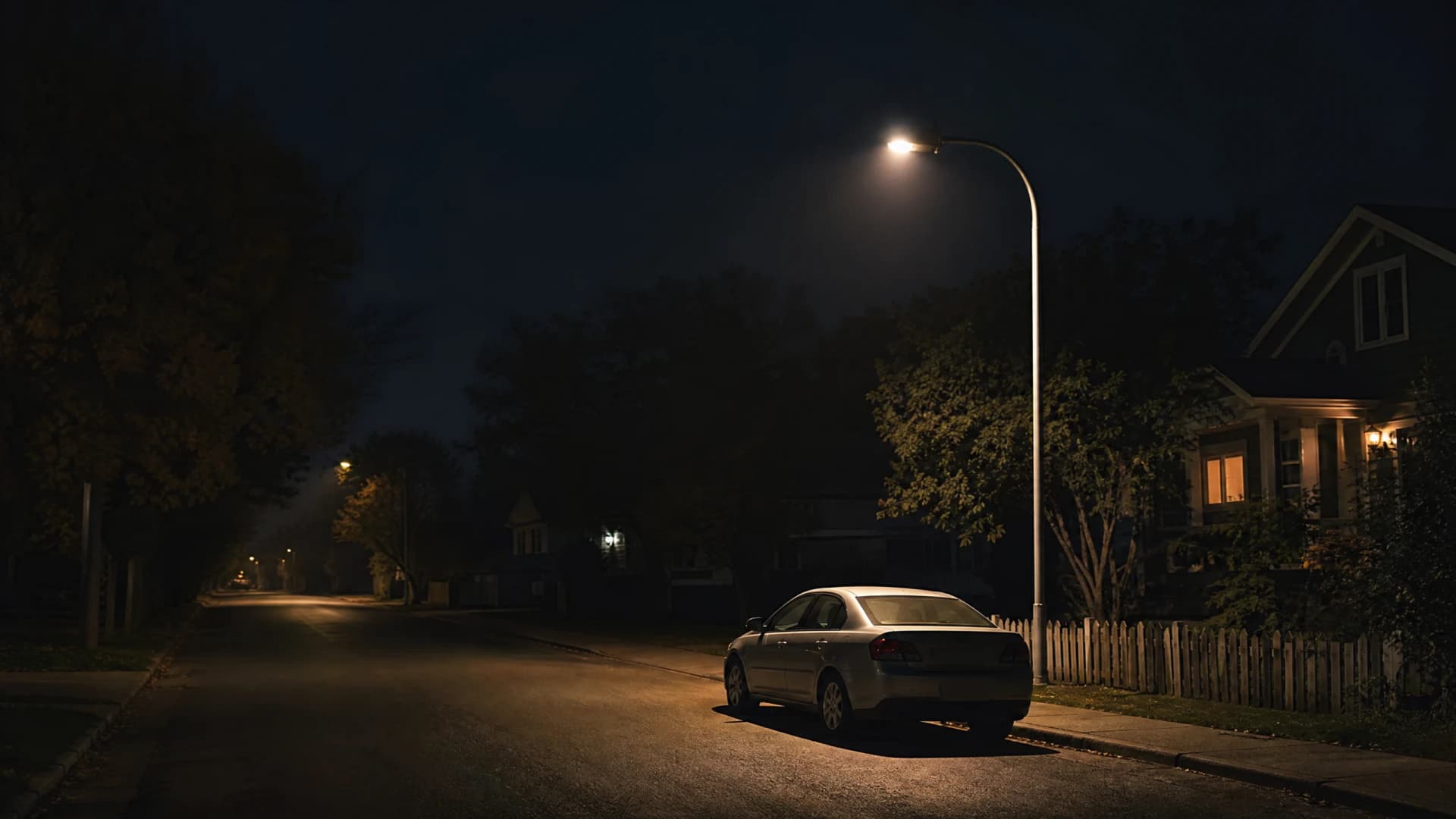
Utah's 0.05% BAC threshold is the lowest in the nation. Administrative suspension triggers at arrest regardless of conviction outcome.

Application Requirements and Processing Reality
Every carrier writing non-owner SR-22 in Utah requires proof that you don't currently own a vehicle. Most ask for a vehicle registration record from the Utah DMV showing no active registrations in your name. You can request this online through the Utah DMV website or in person at any DLD office; the record is typically available within one business day. Some carriers accept a signed affidavit instead, but underwriters may follow up with a registration check before finalizing the policy.
You'll need your driver's license number, the date of your DUI arrest, and confirmation of the specific violation code the arresting officer cited. Utah uses violation codes 41-6a-502 for standard DUI and 41-6a-530 for metabolite DUI. Carriers use these codes to determine your risk tier and premium. If you've already requested a DLD hearing, bring documentation of that request; some underwriters treat active hearing requests as lower-risk signals than defaulted suspensions.
Same-day filing depends on submission timing. Applications submitted after 3 PM Mountain Time are usually processed the next business day. Carriers cannot file SR-22 certificates on weekends or state holidays because the Utah DLD system is offline. If you're arrested on a Friday and need filing before the following Monday, you must apply by Friday at 2 PM to have any chance of same-day processing. Missing that window pushes your filing to Monday, burning three of your 10 hearing-request days.
$25–$45/mo
Utah Non-Owner SR-22 Premium Range
Post-DUI non-owner SR-22 premiums in Utah typically start at $25/month for drivers with no prior violations and one DUI. Premiums increase to $35–$45/month for drivers with multiple violations or prior suspensions. The SR-22 filing fee itself is a one-time $25–$50 charge depending on carrier. These estimates assume minimum liability limits; higher limits increase premiums proportionally.
Estimates based on available carrier rate data for Utah non-owner SR-22 policies; individual rates vary.
Limited License Eligibility During Suspension
Utah's Limited License program allows restricted driving during suspension for essential purposes: work, school, medical appointments, and court-ordered programs. The license is issued by the court, not the DLD, after you petition and demonstrate need. You must have SR-22 coverage already on file with the DLD before the court will consider your petition. Non-owner SR-22 satisfies this requirement even if you don't currently own a vehicle.
The court sets specific time and route restrictions based on your petition. Typical grants allow driving during defined hours to and from work, school, or medical appointments. Driving outside those restrictions triggers automatic revocation of the Limited License and extends your underlying suspension. Utah requires ignition interlock device installation for DUI-related Limited Licenses; the IID requirement applies even to non-owner policies if you drive any vehicle during the restriction period. The IID vendor monitors compliance and reports violations directly to the court and DLD.
Compare Carriers Filing Today
Your next step: request quotes from Progressive, Geico, and The General before 2 PM Mountain Time if you need same-day filing. Have your driver's license number, arrest date, violation code, and DMV registration record ready before you start the application. If you're within the 10-day hearing request window, prioritize speed over price; a $10/month premium difference is irrelevant if missing the filing deadline costs you the hearing. Once the SR-22 is on file with the Utah DLD, you can petition for a Limited License or prepare for reinstatement after your suspension period ends.
Carriers Writing Same-Day Non-Owner SR-22 in Utah
Progressive, Geico, and The General write non-owner SR-22 policies in Utah and advertise same-day or next-day filing capability for qualifying applicants. Progressive typically processes online applications within 4–6 hours if submitted before 2 PM Mountain Time on a business day. Geico's non-owner SR-22 process requires a phone call to a licensed agent; same-day filing is possible if you call before noon. The General specializes in high-risk drivers and processes most non-owner SR-22 applications within 2–4 hours, but premiums are typically higher than Progressive or Geico.
Dairyland and Bristol West also write non-owner SR-22 in Utah but require broker involvement. Processing time depends on broker availability and underwriter workload; same-day filing is not guaranteed. USAA writes non-owner SR-22 for eligible military members and their families, with same-day filing available through phone application. Standard preferred-tier carriers like State Farm, Allstate, and Nationwide either don't offer non-owner policies or require multi-day underwriting that doesn't meet tight deadlines.
Get Your Free Quote
Get My Utah DUI Insurance QuoteFrequently Asked Questions
Can I get non-owner SR-22 insurance the same day I apply in Utah?
Progressive, Geico, and The General can file non-owner SR-22 certificates the same business day if you apply before 2 PM Mountain Time and provide all required documentation. Applications submitted after 3 PM are typically processed the next business day. Carriers cannot file on weekends or state holidays because the Utah DLD system is offline.
Do I need SR-22 insurance in Utah if I don't own a car after a DUI?
Yes. Utah requires SR-22 filing for all DUI-related suspensions regardless of vehicle ownership. A non-owner SR-22 policy covers you when driving vehicles you don't own and satisfies the state's financial responsibility requirement. The SR-22 must stay on file with the Utah DLD for three years.
How much does non-owner SR-22 insurance cost in Utah after a DUI?
Non-owner SR-22 premiums in Utah typically range from $25 to $45 per month for drivers with one DUI and no prior violations. Carriers also charge a one-time SR-22 filing fee of $25 to $50. Drivers with multiple violations or prior suspensions pay higher premiums within the same range.
What happens if my non-owner SR-22 policy lapses in Utah?
Your insurer notifies the Utah Driver License Division within 24 hours of any policy cancellation or lapse. The DLD suspends your license immediately with no grace period. You must file a new SR-22 certificate and pay a $30 reinstatement fee to restore your license, and the three-year SR-22 filing period restarts from the new filing date.
Can I get a Limited License in Utah with a non-owner SR-22 policy?
Yes. The Utah court issues Limited Licenses for essential driving during suspension, and you must have SR-22 coverage on file with the DLD before petitioning. A non-owner SR-22 policy satisfies this requirement. The court sets specific time and route restrictions, and you must install an ignition interlock device for DUI-related Limited Licenses.
How long does the SR-22 filing requirement last in Utah after a DUI?
Utah requires SR-22 filing for three years from the date the Driver License Division receives the certificate, not from your conviction or arrest date. If your policy lapses at any point during those three years, the filing period restarts from the date you file a new SR-22 certificate.