
Top-Rated DUI Insurance — Utah
Free to compare
The Rating Confusion DUI Drivers Face
You pull up AM Best ratings, read through consumer review sites, and see State Farm rated A+ or Geico rated A++ — then you call for a quote and get transferred to a different division, quoted a rate triple what the online calculator suggested, or told outright they won't write your policy. The disconnect is structural. The 'top-rated' labels you're reading apply to the carrier's standard underwriting tier. Your DUI conviction moves you into a separate non-standard tier, often underwritten by a subsidiary or specialty division operating under different rating criteria entirely.
In Utah, this matters more than in states without SR-22 requirements because the $340 reinstatement fee and three-year SR-22 filing period mean you're shopping for a multi-year relationship, not just six-month coverage. You need a carrier that will maintain your SR-22 filing consistently, not one that non-renews you after the first term and forces you to restart the comparison process. The 'top-rated' question you're actually asking is not which carrier has the highest AM Best grade — it's which carrier writes DUI risks in Utah, maintains stable underwriting in the non-standard tier, and processes SR-22 filings reliably.
“The carrier's standard-tier rating does not predict your non-standard premium, renewal stability, or SR-22 filing reliability.”

Compare Utah Rates for Drivers With a DUI
Get My Utah DUI Insurance Quote$340
Utah DUI Reinstatement Fee
This is the base fee the Utah Driver License Division charges to restore your license after DUI suspension, separate from any SR-22 filing fee or premium cost. The fee applies regardless of which carrier you choose and must be paid before reinstatement.
Utah Driver License Division fee schedule
What Top-Rated Actually Means in Non-Standard Tiers
AM Best ratings measure financial strength and claims-paying ability across the entire carrier organization. A carrier rated A+ has strong capital reserves and consistently meets policyholder obligations. That rating is valid — but it covers the whole company, not the specific underwriting division handling your DUI risk. State Farm's standard auto division and its non-standard SR-22 filing operations are the same legal entity, but they price risk separately, use different underwriting guidelines, and maintain different renewal practices.
When you search 'top-rated DUI insurance,' what you need is not the parent company's AM Best grade — you need to know which carriers accept SR-22 filings in Utah, which ones maintain competitive pricing in the non-standard tier, and which ones have a track record of processing SR-22 certificates to the Driver License Division without delays or lapses. Geico, Progressive, State Farm, USAA, Bristol West, Dairyland, The General, National General, and GAINSCO all write SR-22 business in Utah. Their financial strength ratings range from A- to A++, but those ratings tell you almost nothing about your actual premium or whether the carrier will non-renew you after six months.
The meaningful comparison is narrower. Does the carrier write non-owner SR-22 policies if you don't currently own a vehicle? Does it process electronic SR-22 filings to Utah DLD, or does it still mail paper certificates that take five business days? Does it require a down payment exceeding 20 percent, which many DUI drivers cannot afford upfront? Those operational differences matter more than the AM Best letter grade once you're already restricted to the non-standard market.

The carrier's standard-tier rating does not predict your non-standard tier premium, renewal stability, or SR-22 filing reliability — you're comparing divisions that operate under separate underwriting rules.

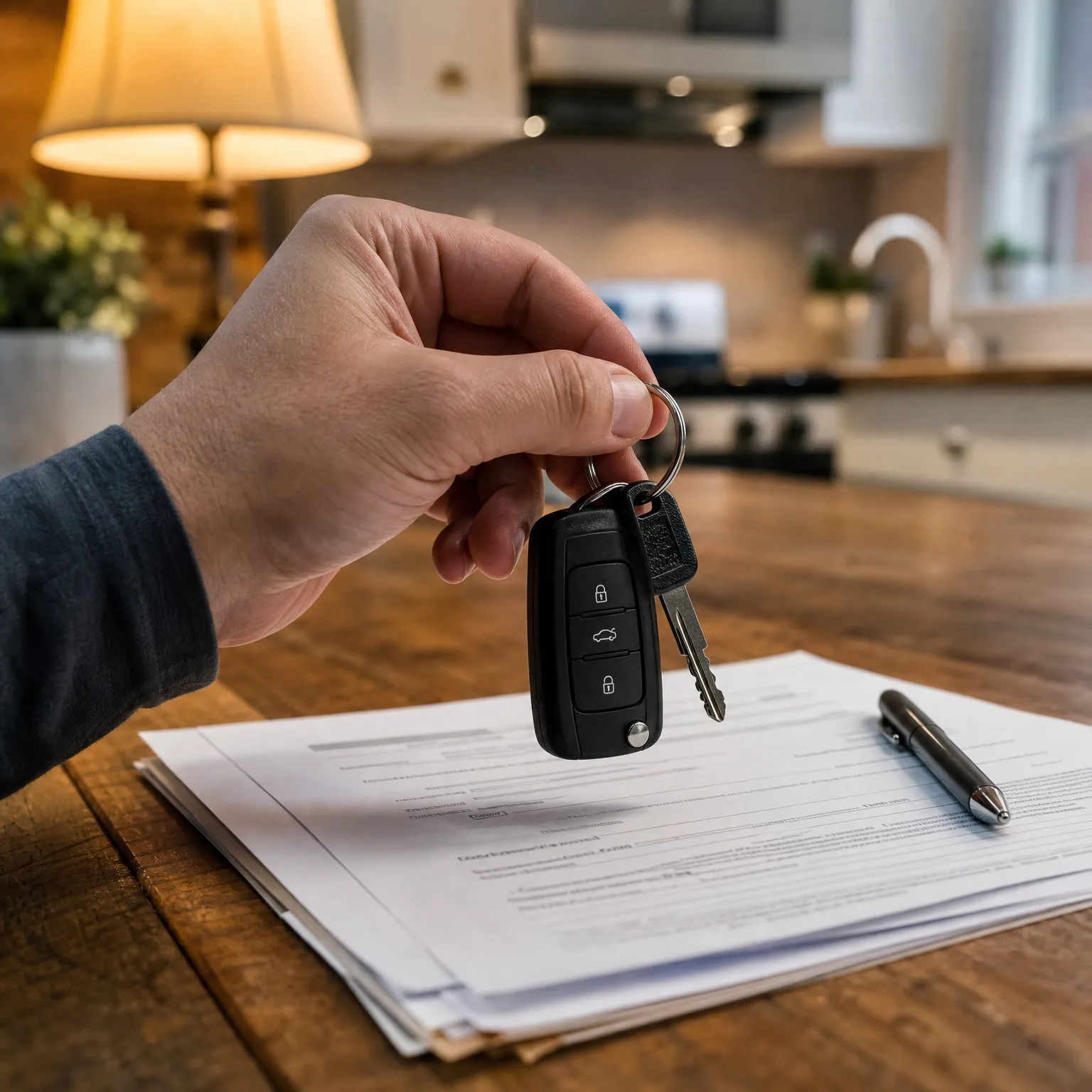
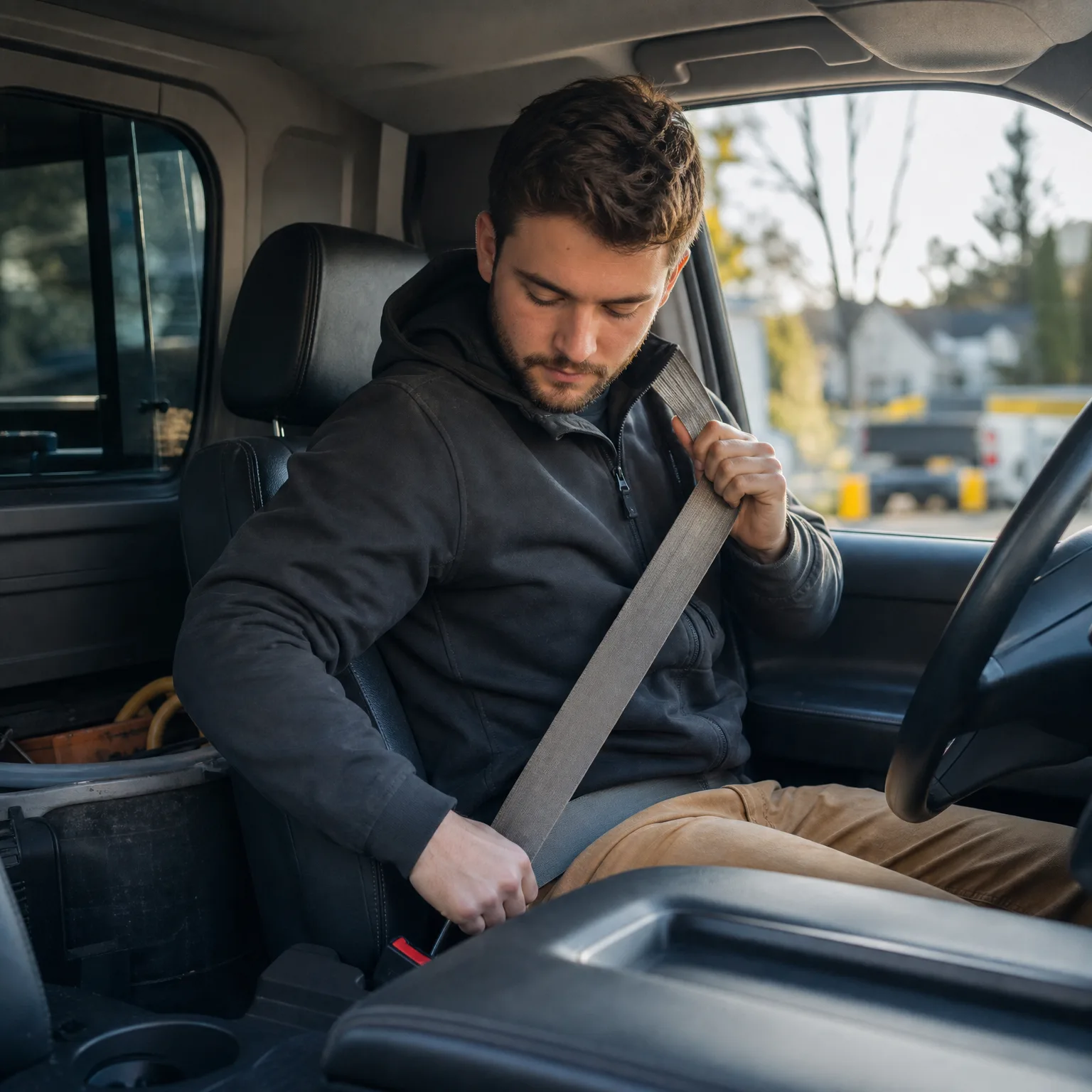



Utah SR-22 Filing and Reinstatement Sequence
Utah requires SR-22 filing for three years following DUI conviction, measured from the date you file the SR-22 certificate with the Driver License Division, not from the date of conviction or arrest. The $340 reinstatement fee is paid to Utah DLD after you complete all court-ordered requirements — DUI education course, ignition interlock device installation if required, and any probation or suspension period. The SR-22 filing itself does not cost $340; that is the state's administrative reinstatement fee. The carrier charges a separate SR-22 filing fee, typically between fifteen and fifty dollars depending on the carrier and state, though some carriers include the filing fee in the first term premium.
You cannot reinstate your Utah license without an active SR-22 certificate on file. If your carrier cancels your policy for non-payment or you switch carriers without maintaining continuous SR-22 coverage, the new carrier must file an SR-22 and the prior carrier files an SR-26 cancellation notice with Utah DLD. Any lapse in SR-22 coverage restarts the three-year filing period from the date you refile. This is the structural reason 'top-rated' becomes a question of operational reliability, not just claims-paying strength. A carrier that non-renews your policy forces you to shop again and risk a coverage gap that resets your filing clock.
Ignition interlock device installation is required for DUI-related license suspensions in Utah. The court sets the IID term, typically six months to three years depending on BAC level and prior offenses. The IID requirement runs parallel to the SR-22 filing requirement — you must maintain both simultaneously. Some carriers increase premiums for IID-equipped vehicles; others do not adjust premium based on IID presence. This is a carrier-specific underwriting variable you won't find in published rate tables.
Utah's 0.05 percent BAC threshold is the lowest in the nation. This means more drivers face DUI charges at BAC levels other states would classify as impaired but not criminal. The lower threshold increases the volume of DUI suspensions and SR-22 filings in Utah, which has pushed more carriers to establish dedicated SR-22 underwriting divisions rather than treating DUI risks as rare exceptions. The market has adapted — you have more carrier options in Utah than you would have had before the 0.05 percent law took effect in December 2018.
3 years
Utah SR-22 Filing Period
Utah requires continuous SR-22 filing for three years after DUI conviction. Any lapse in coverage during that period restarts the three-year clock from the date you refile, extending the total time you're required to carry SR-22 certification.
Utah statute and Driver License Division policy

What to Compare Across Carriers
Premium is the obvious comparison point, but it's not the only one that matters over a three-year SR-22 filing period. Monthly payment plans vary — some carriers require 20 percent down and finance the rest across five months, others allow 10 percent down with six-month payment plans. If you're balancing reinstatement costs, court fees, IID installation, and the $340 Utah DLD fee, the down payment structure can determine whether you can afford to start coverage this month or need to wait.
Non-owner policy availability matters if you don't own a vehicle. Non-owner SR-22 policies satisfy Utah's SR-22 filing requirement without insuring a specific car, and they cost substantially less than standard vehicle policies because the carrier assumes lower exposure. Not all carriers write non-owner SR-22 policies. Geico, Progressive, Dairyland, Bristol West, and The General confirmed non-owner SR-22 availability in Utah; State Farm, USAA, and the other carriers on the list either do not offer non-owner policies or require broker contact to determine eligibility.
Compare Carriers That Write Your Situation
You're not comparison-shopping the standard market anymore. The carriers you're evaluating have already accepted that they write DUI risks — the question is which one prices your specific profile most competitively and maintains stable underwriting practices that won't force you to re-shop in six months. Get quotes from at least three carriers writing SR-22 business in Utah, and verify that each quote includes SR-22 filing as part of the policy. Ask explicitly about non-owner options if you don't own a vehicle, and confirm the carrier's payment plan structure before committing to the first term. The 'top-rated' label you're looking for is operational consistency, not a letter grade on a financial strength report.
Carriers Writing Utah DUI Risks
Geico, Progressive, State Farm, and USAA write SR-22 filings in Utah and maintain large market share in the non-standard tier. Geico and Progressive both offer non-owner SR-22 policies, which matter if you sold your vehicle after the DUI arrest or don't plan to drive regularly during the three-year filing period. USAA restricts eligibility to military members and their families but writes both standard vehicle policies and non-owner SR-22 coverage. State Farm writes SR-22 filings but does not prominently advertise non-owner policies — you may need to request that product explicitly.
Bristol West, Dairyland, The General, National General, and GAINSCO specialize in non-standard auto insurance and explicitly market to DUI and SR-22 drivers. These carriers price for high-risk profiles from the start, so their quotes may be more competitive than a standard carrier's non-standard division. Bristol West and Dairyland both write non-owner SR-22 policies. The General emphasizes same-day SR-22 filing, which can matter if you're close to a reinstatement deadline. National General and GAINSCO write SR-22 business but require broker contact rather than direct online quoting, adding a procedural step but sometimes producing lower premiums through negotiated placements.
Get Your Free Quote
Get My Utah DUI Insurance QuoteFrequently Asked Questions
Do I need SR-22 insurance after a DUI in Utah?
Yes. Utah requires SR-22 filing for three years after DUI conviction. You cannot reinstate your license without an active SR-22 certificate on file with the Utah Driver License Division. The SR-22 is a certificate your insurance carrier files with the state proving you carry at least minimum liability coverage.
What is the cheapest SR-22 insurance in Utah after a DUI?
Premium varies by age, county, vehicle, and driving history — there is no single cheapest carrier for all DUI drivers. Bristol West, Dairyland, The General, and GAINSCO specialize in non-standard auto and often quote competitively for DUI risks. Compare at least three carriers writing SR-22 business to find the lowest rate for your specific profile.
Can I get SR-22 insurance without owning a car in Utah?
Yes. Non-owner SR-22 policies satisfy Utah's SR-22 filing requirement without insuring a specific vehicle. Geico, Progressive, Dairyland, Bristol West, and The General write non-owner SR-22 policies in Utah. Non-owner premiums are lower than standard vehicle policies because the carrier assumes you're driving less frequently.
How long does SR-22 filing last in Utah?
Three years from the date you file the SR-22 certificate with Utah Driver License Division. Any lapse in coverage during that period restarts the three-year clock. If your carrier cancels your policy or you switch carriers without maintaining continuous SR-22 coverage, the filing period resets from the date you refile.
Does SR-22 insurance cost more than regular insurance?
The SR-22 filing fee itself is typically fifteen to fifty dollars, depending on the carrier. The premium increase comes from being classified as a high-risk driver due to the DUI conviction, not from the SR-22 certificate. Carriers price DUI risks in their non-standard tier, which has higher base rates than standard auto coverage.
What happens if my SR-22 insurance lapses in Utah?
Your carrier files an SR-26 cancellation notice with Utah Driver License Division, and your license is re-suspended. The three-year SR-22 filing period restarts from the date you file a new SR-22 certificate. You'll also face a new reinstatement process and potentially another reinstatement fee to restore driving privileges.
Can I switch SR-22 insurance carriers in Utah?
Yes, but you must maintain continuous coverage with no gap between policies. The new carrier files an SR-22 with Utah DLD on the effective date, and the old carrier files an SR-26 cancellation notice. If there's any gap in coverage, your license is re-suspended and your three-year filing period restarts.