
DUI Carrier Comparison — Utah
Free to compare
Why Carrier Choice Matters After a Utah DUI
Your DUI conviction triggered a $340 reinstatement fee, mandatory alcohol education, and an SR-22 filing requirement that must stay active for three years. You need coverage immediately to satisfy the Driver License Division's reinstatement conditions, but standard-market carriers either decline DUI risks outright or price them into unaffordable territory. The carrier you choose determines whether you pay $180/month or $350/month for identical liability limits — and whether your SR-22 filing reaches the state within 24 hours or takes five business days.
Utah's 0.05% BAC threshold complicates carrier underwriting. Drivers convicted at 0.051% face the same three-year SR-22 requirement as those at 0.15%, but carriers price the two scenarios differently. Some treat any DUI as maximum-risk; others segment by BAC level, prior record, and whether you completed an ignition interlock period. This structural reality means generic rate comparisons built for 0.08% states miss the pricing variation Utah drivers actually encounter.
“Utah's 0.05% BAC threshold produces more DUI filings than any other state — carriers price the risk differently based on whether you're first-offense under 0.08% or hard-threshold 0.05%.”

Compare Utah Rates for Drivers With a DUI
Get My Utah DUI Insurance Quote$340
Utah DUI Reinstatement Fee
This base fee applies to all DUI-triggered license suspensions in Utah and must be paid to the Driver License Division before reinstatement, separate from any SR-22 filing fee or insurance premium. The fee does not include court fines, alcohol education program costs, or ignition interlock device fees.
Utah Driver License Division fee schedule
Four Carrier Tiers After DUI in Utah
Utah DUI drivers face four carrier tiers, each with distinct filing speed, underwriting criteria, and long-term cost trajectory. Standard-tier carriers (Geico, Progressive) accept DUI risks but charge substantial surcharges and require ignition interlock verification if your conviction mandated the device. Non-standard specialists (Dairyland, Bristol West, The General) price DUI as their baseline risk and often deliver faster quotes, but their base rates start higher. GAINSCO and National General occupy a hybrid zone — higher base rates than standard carriers but lower surcharges for violations.
The tier you qualify for depends on conviction details the carrier explicitly asks about: BAC level at arrest, whether you refused testing, ignition interlock completion status, and time elapsed since conviction. First-offense drivers at 0.05%–0.079% BAC sometimes qualify for standard-tier pricing with a surcharge; refusal cases or BAC above 0.16% typically route to non-standard. Carriers do not advertise these thresholds — you discover them only when the underwriter reviews your Motor Vehicle Record after you submit an application.
Filing speed varies by tier and internal carrier workflow. Geico and Progressive file SR-22 certificates electronically within 24 hours of policy binding for most applicants. Dairyland and Bristol West file same-day when the quote is accepted before 3 PM Mountain Time. GAINSCO and The General file within 1–2 business days. State Farm files SR-22 but does not actively market to DUI risks — expect longer underwriting review and possible declination even if you receive an initial quote.

Utah requires continuous SR-22 filing for three years — a single lapse triggers automatic re-suspension and restarts the three-year clock from the new reinstatement date, not the original conviction.



Comparing Monthly Cost Across Tiers
Premium differences between carriers exceed $100/month for identical coverage because underwriting models weigh DUI severity, ignition interlock status, and Utah's 0.05% threshold differently. Understand that any dollar figure you encounter reflects averages across mixed risk profiles — your actual quote will vary by county, age, vehicle, and conviction specifics.
Standard-tier carriers with DUI surcharges typically produce quotes in a lower monthly range than non-standard specialists for drivers 12+ months post-conviction with clean records otherwise. Non-standard carriers (Dairyland, Bristol West, The General) start higher but often beat standard-tier pricing for drivers with multiple violations, refusal cases, or BAC above 0.16%. GAINSCO occupies the middle — higher than surcharged standard pricing but lower than pure non-standard for most first-offense cases.
Policy structure affects total cost beyond the base premium. Geico and Progressive require you to carry the same liability limits you'll need for reinstatement (Utah minimums: $25,000 per person / $65,000 per accident bodily injury, $15,000 property damage, plus PIP). Dairyland allows you to start at state minimums and adjust at renewal. Bristol West bundles SR-22 filing at no separate charge; Geico charges a one-time filing fee set by the carrier. The General offers monthly payment plans with no down payment for qualified applicants; most standard carriers require first-month premium plus a deposit at binding.
3 years
Utah SR-22 Filing Period
Utah requires continuous SR-22 filing for three full years from the reinstatement date following a DUI conviction. If your policy lapses or cancels for non-payment during this period, the carrier notifies the Driver License Division electronically within 24 hours and your license is automatically re-suspended. Reinstatement after a lapse restarts the three-year clock.
Utah Code § 41-12a-303.6
Non-Owner SR-22 When You Don't Own a Vehicle
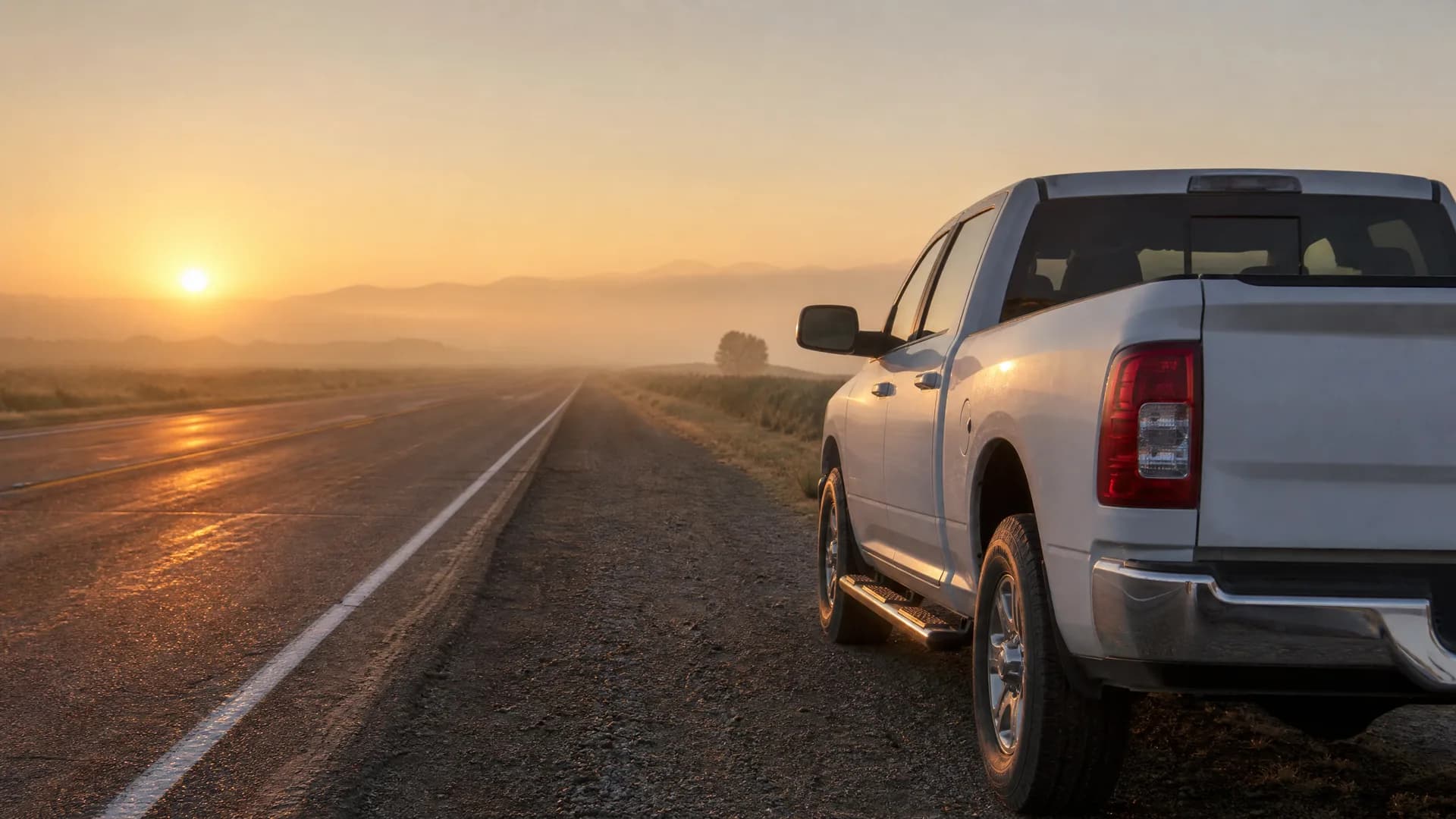
Utah DUI reinstatement requires proof of insurance even if you sold your vehicle after the arrest or never owned one. A non-owner SR-22 policy satisfies the state's financial responsibility requirement without insuring a specific vehicle — it covers liability when you drive a borrowed or rental car and maintains the SR-22 certificate the Driver License Division requires.
Geico, Progressive, Dairyland, The General, and USAA all write non-owner SR-22 policies in Utah. Non-owner premiums run lower than standard policies because the carrier assumes you drive infrequently. Expect monthly costs to reflect the same tier structure and DUI surcharges described above, typically 30–50% below equivalent standard policy pricing. Dairyland and The General specialize in non-owner DUI cases and often quote faster than standard carriers for this product. USAA restricts eligibility to military members and their families but offers competitive non-owner rates when you qualify.
Filing Speed and Reinstatement Timing
The Driver License Division will not process your reinstatement application until your SR-22 certificate appears in their system. Electronic filing carriers (Geico, Progressive, Dairyland, Bristol West) transmit certificates within 24 hours of policy binding; you can check filing status by calling the DLD's SR-22 verification line or logging into your carrier account. Paper filing adds 3–5 business days — some carriers still mail certificates rather than filing electronically, which delays reinstatement even if you paid the $340 fee and completed alcohol education immediately.
Coordinate filing timing with your reinstatement paperwork. If you submit your DLD reinstatement application before the SR-22 reaches their system, the application will be rejected and you'll need to resubmit. The sequence is: bind the policy, confirm SR-22 filing with the carrier, wait 24–48 hours for DLD's system to update, then submit reinstatement application with fee payment and education completion certificate. Attempting to compress this sequence produces processing delays that extend your suspension period unnecessarily.
Next Step
Request quotes from at least one standard-tier carrier and two non-standard specialists to see the actual price spread your conviction profile produces. Provide identical coverage details to each — Utah's $25,000/$65,000/$15,000 liability minimums plus PIP — and confirm SR-22 filing speed during the quoting process. Geico and Progressive offer online quotes but route DUI applications to underwriters for manual review; expect callback within 24 hours. Dairyland, Bristol West, and The General accept online applications and produce bindable quotes immediately for most first-offense cases. Compare total six-month cost including filing fees and down payment requirements, not just the monthly premium, to identify the lowest actual outlay for continuous three-year coverage.
What Each Carrier Asks During Underwriting
Every carrier asks your BAC at arrest (not conviction), whether you refused breath or blood testing, and whether an ignition interlock device was ordered. Geico and Progressive require ignition interlock completion documentation if your court order mandated the device — you cannot bind a policy until you provide the certificate from your IID vendor showing successful program completion. Dairyland accepts active interlock users and adjusts the premium accordingly but does not require completion proof upfront. Bristol West underwrites interlock cases individually and may decline if your violation included property damage or injury.
Time since conviction affects eligibility at every tier. Standard carriers typically require 12–24 months post-conviction before they will quote competitively; earlier quotes carry maximum surcharges. Non-standard carriers quote immediately after conviction but reduce surcharges annually as the violation ages. GAINSCO offers step-down pricing at the one-year and two-year anniversaries if your record stays clean. National General recalculates at renewal based on current MVR — a second violation during the SR-22 period triggers re-underwriting and possible non-renewal.
Get Your Free Quote
Get My Utah DUI Insurance QuoteFrequently Asked Questions
Do I need SR-22 insurance if my Utah DUI conviction is still under appeal?
Yes. The Driver License Division imposes administrative suspension independently of your criminal case appeal status. You must maintain SR-22 coverage throughout the three-year filing period regardless of whether your conviction is under appeal or ultimately overturned. If the conviction is vacated, you can request early SR-22 termination by submitting the court order to the DLD.
Can I switch carriers during my three-year SR-22 filing period in Utah?
Yes, but you must coordinate the transition to avoid any coverage gap. Bind the new policy before canceling the old one, confirm the new carrier has filed SR-22 with the Driver License Division, and only then cancel the original policy. Even a single day without active SR-22 filing triggers automatic re-suspension and restarts your three-year clock.
Will my Utah SR-22 requirement follow me if I move to another state?
It depends on the new state's reciprocity rules and whether Utah's suspension remains active. Most states require you to satisfy the issuing state's SR-22 obligation before they will issue a new license. Contact the new state's DMV and provide your Utah conviction details to determine what filing they require before transferring your license.
What happens if I let my SR-22 policy lapse after two years of the three-year requirement?
The carrier notifies the Driver License Division electronically within 24 hours of cancellation. The DLD re-suspends your license automatically. To reinstate, you must pay another $340 reinstatement fee, obtain new SR-22 coverage, and restart the full three-year filing period from the new reinstatement date — not from where you left off.
Do non-standard carriers report lapses faster than standard carriers in Utah?
No. All carriers licensed in Utah must report policy cancellations and lapses to the Driver License Division within 24 hours under state law. Filing speed for lapses is identical across tiers — the difference between carriers appears in initial SR-22 filing speed when you first bind the policy, not in lapse notification timing.
Can I use the same SR-22 policy to satisfy both my Utah DUI requirement and a reinstatement requirement in another state?
Only if the other state accepts out-of-state SR-22 filings, which most do not. You typically need separate policies and separate SR-22 certificates filed in each state where you hold or are applying for a license. Confirm requirements with both states' licensing agencies before binding coverage.